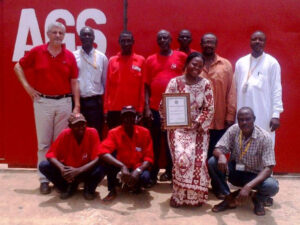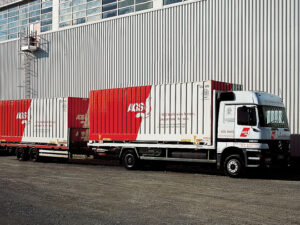



AGS Movers Chad
 Manager: Didier Claris
 +235 66 29 67 50
 ZI FARCHA
BP1277
N'DJAMENA
1277
ZI FARCHA
BP1277
N'DJAMENA
1277
Languages Spoken


Ags movers chad: expert removals in n'djamena, abeche & more
Looking for a trusted moving company in Chad, serving major cities like N’Djamena, Abeche, Moundou, Sarh, and beyond? Based locally, AGS Movers Chad is your dedicated partner for international removals, offering tailored moving and storage solutions for individuals and businesses nationwide. With us, you can rely on a professional,seamless move, no matter where your destination lies within Chad or around the world.
Domestic & International Removals Solutions
AGS International Movers offers excellence to each of its clients.

International Moves

Domestic Moves

Office Moves

Secure Storage

Vehicle Transfer


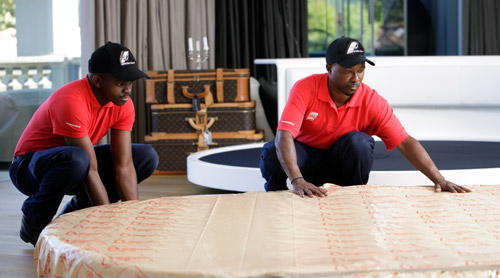
Established in 1994, AGS Movers Chad brings over 32 years of experience to the moving industry.
Whether you’re planning a local move or an international relocation, AGS Chad, a proud branch of the AGS Group, is the professional moving company you can trust. As part of a global network with more than 140 locations worldwide, AGS Movers combines vast experience with efficient moving processes to deliver a seamless relocation experience.
At AGS Movers Chad, we offer unmatched professionalism, world-class quality standards, and expertise in a wide range of services, including international removals, office moves, groupage, vehicle transport, fine art shipping, pet transport, secure storage facilities, and other moving services.
While our most popular destinations include Belgium, France, and the USA, we have the capability to move you anywhere in the world!
Moving to dynamic N’Djamena, historic Abeche, southern-capital Moundou, or riverside Sarh?
AGS Movers is here to ensure a stress-free move to any of these popular destinations.
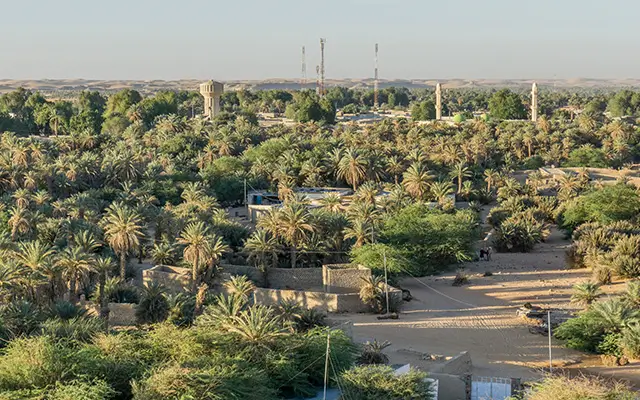
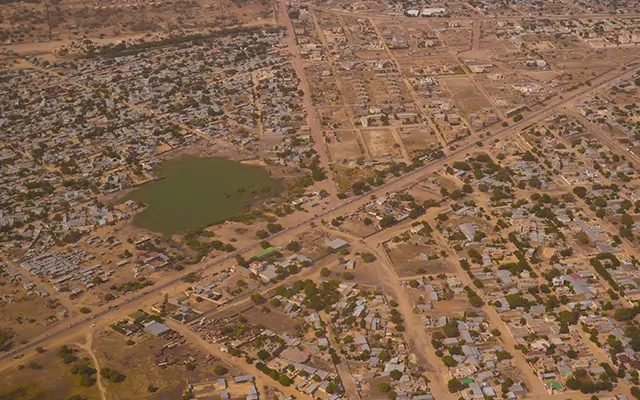
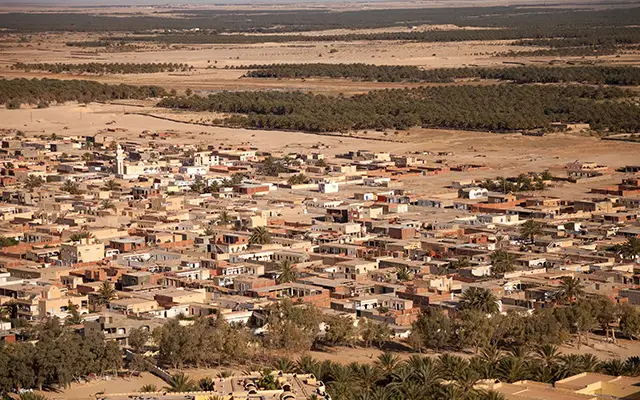
Chad Fast Facts
AGS Movers Chad efficiently carries out around 150 local and international moves annually, assisted by their 3 trucks and robust warehouses measuring 500m2
-
Landmarks
King Faisal Mosque: A prominent and architecturally significant mosque, serving as a vital religious and cultural centre for the city.
National Museum: Showcasing Chadian artefacts, history, and cultural heritage, offering insights into the nation’s rich past.
Grand Marche (Central Market): A bustling hub of commerce and local life, providing a vibrant experience of daily activities.
Ave Maria Cathedral: A beautiful and historically important cathedral, representing a significant religious landmark in the capital city.
-
Education
University of N’Djamena: The country’s largest public university, offering a wide array of academic programs and contributing to national development.
Lycée Félix Éboué: A well-established secondary school, known for its academic rigor and preparing students for higher education.
Lycée Français Montaigne: A French international school known for its strong academic results, with a focus on preparing students for the French Baccalaureate
American International School of N’Djamena: An international school providing an American curriculum, catering to a diverse expatriate and local student body.
École Normale Supérieure: A leading institution focused on training future educators, vital for the advancement of the country’s educational system.
-
Public Transport
Tuk-tuk: A convenient three-wheeled motorized taxi, widely used for short to medium distances within the city, with fares negotiated before travel.
Motorcycle Taxi (Clando): A quick and flexible option for individual travel, particularly useful for navigating congested areas efficiently.
Bush Taxi (Taxi-Brousse): Shared taxis operating on fixed routes, connecting different neighbourhoods and parts of the city affordably.
Minibus: Larger shared vehicles that follow set routes, providing a cost-effective mode of transport for commuters and daily travellers.
-
Climate
Summer: Hot and humid (28-40°C / 82-104°F).
Winter: Mild and dry (18-28°C / 64-82°F).
Rainfall: Chad has a tropical climate with a distinct wet season from May to October and a dry season. (25-48°)
-
Landmarks
Former Sultan’s Palace: A historical site reflecting the region’s rich heritage and traditional architecture of the Ouaddai Sultanate.
Abeche Grand Mosque: A significant religious landmark and a central place of worship, notable for its local architectural style.
Camel Market: A vibrant traditional market where camels are traded, offering a glimpse into local commerce and culture.
Local Artisan Shops: Numerous shops showcasing traditional crafts, including leather goods and woven items, made by local artisans.
-
Education
University of Abeche: A growing higher education institution, providing various academic programs to students in the eastern region.
Lycée d’Abeche: A prominent public secondary school, serving the local community and providing general education to students.
Technical and Vocational Training Centre: Offers practical skills and vocational training, preparing students for various industries and trades.
Primary Schools (various locations): Numerous foundational schools spread across the city, providing basic education to younger children.
-
Public Transport
Motorcycle Taxi: Known as ‘clandos’ is a common and convenient mode of transport for short distances within the town, offering affordable and direct rides.
Bush Taxi: Shared vehicles connecting Abeche to nearby towns and villages, departing from central points when full.
Rickshaw (Pousse-Pousse): A unique local transport option for very short distances, providing a traditional way to get around.
Walking: Given the town’s size, walking is a practical and common way to explore central areas and local markets.
-
Climate
Summer: Hot and humid (27-38°C / 81-100°F).
Winter: Mild and dry (15-25°C / 59-77°F).
Rainfall: Abeche experiences a semi-arid climate with a short-wet season and a long dry season.
-
Landmarks
Moundou Central Market: A vibrant centre of activity where various goods are traded, reflecting the daily life of the community.
Catholic Mission: A significant religious institution with historical importance, serving the local Christian population in the region.
Cotonchad Factory: A major industrial site, historically important for cotton processing and the local economy.
Local Breweries: Known for producing local beers, these sites are important for the regional economy and local consumption.
-
Education
University of Moundou: A key institution for higher learning in southern Chad, offering various academic disciplines.
Lycée de Moundou: A central secondary school providing educational opportunities for students in the city and surrounding areas.
Agricultural College: Focuses on training in agriculture, essential for the region’s economy and food production.
Vocational Training Centre: Offers practical skills and vocational training, preparing students for employment in various industries.
-
Public Transport
Motorcycle Taxi: The most common and flexible way to travel within Moundou, offering quick and convenient rides.
Tricycle (Aja): A three-wheeled vehicle often used for short distances or carrying goods, providing a local transport solution.
Bush Taxi: Connects Moundou with other major towns and regions in southern Chad, departing from designated stations.
Bicycle: A common and affordable mode of transport for many residents, ideal for short commutes and local errands.
-
Climate
Summer: Hot and humid (26-36°C / 79-97°F).
Winter: Mild and relatively dry (16-28°C / 61-82°F).
Rainfall: Moundou has a tropical savanna climate with a distinct wet season and a drier period.
-
Landmarks
Sarh Central Market: A lively and essential commercial hub, offering a wide array of local produce and various goods.
Museum of Sarh: Showcasing local history and cultural artifacts, providing insights into the region’s rich heritage.
Chari River Banks: Offering scenic views and opportunities for local fishing activities, important for the community.
Cotton Ginning Factories: Significant industrial sites reflecting the area’s agricultural importance, especially for cotton production.
-
Education
University of Sarh: A developing institution for higher education, serving the Moyen-Chari region with diverse programs.
Lycée de Sarh: A major secondary school, providing general education to students in the city and surrounding districts.
Teacher Training College: Specialises in training future teachers, crucial for improving educational standards in the region.
Agricultural and Veterinary Institute: Focuses on professional training in agriculture and animal health, vital for the local economy.
-
Public Transport
Motorcycle Taxi: The primary mode of transportation within Sarh, providing quick and accessible rides around town.
Bush Taxi: Connects Sarh to other major towns and regions, serving as a vital link for inter-city travel.
Bicycle: A common and environmentally friendly option for short trips and daily commutes within the city.
Walking: Many residents navigate the central areas of Sarh on foot due to the relatively compact urban layout.
-
Climate
Summer: Hot and humid (27-37°C / 81-99°F).
Winter: Mild and dry (17-29°C / 63-84°F).
Rainfall: Sarh experiences a tropical savanna climate with a pronounced wet season and a long dry season.
-
Landmarks
Lake Chad Basin: Although a distance away, the influence of this important ecological zone shapes the region’s arid landscape.
Saharan Landscapes: Vast and dramatic desert scenery surrounding the town, featuring unique rock formations and sand dunes.
Oasis Agriculture: Evidenced by date palm groves, showcasing traditional farming methods adapted to the harsh desert environment.
Local Markets: Smaller, traditional markets providing essential goods and a glimpse into daily life in this remote desert town.
-
Education
Faya-Largeau Secondary School: The main public secondary school, offering general education to students in the northern region.
Primary Schools (various locations): Foundational schools addressing basic education needs for children in the town and surrounding areas.
Nomadic Schools: Unique educational initiatives catering to the nomadic populations, providing flexible learning opportunities.
Adult Literacy Centres: Programmes focused on improving literacy rates among adults, essential for community development.
-
Public Transport
4×4 Vehicles: The most common and essential mode of transport for navigating the desert terrain and reaching remote areas safely.
Motorcycle: Used for shorter distances within the town, offering a quick and flexible way to get around the local area.
Walking: For very short distances within the town’s core, walking remains a practical and common method of movement.
Inter-city Bush Taxis: Less frequent, but connect Faya-Largeau to larger towns, operating on an infrequent and demand-based schedule.
-
Climate
Summer: Extremely hot and dry (35-45°C / 95-113°F).
Winter: Warm and very dry (20-30°C / 68-86°F).
Rainfall: Faya-Largeau has an arid desert climate with extremely low and irregular rainfall throughout the year.
-
Landmarks
Pala Central Market: A vibrant local market, serving as a hub for commerce and daily life, reflecting the town’s agricultural surroundings.
Local Churches/Mosques: Significant religious structures serving the diverse spiritual needs of the community in the region.
Mayo-Kebbi River: A vital water source nearby, influencing local agriculture and providing a scenic natural element to the area.
Traditional Villages: Surrounding areas feature traditional villages, offering insights into local customs and rural Chadian life.
-
Education
Pala Secondary School: The main public secondary institution, providing general education for students in the Tandjilé region.
Pala Primary Schools: Numerous foundational schools catering to the basic educational needs of children in the town and surrounding villages.
Teacher Training College (branch): A local branch or similar institution focused on developing teaching skills for future educators.
Agricultural Training Centre: Offers practical education in farming techniques, crucial for the predominantly agricultural local economy.
-
Public Transport
Motorcycle Taxi: The most common and efficient way to travel within Pala town, offering quick and convenient rides.
Bush Taxi: Connects Pala to other towns and villages in the region, operating as shared transport from designated points.
Bicycle: A widely used and economical mode of transport for daily commutes and short trips within the town area.
Walking: For short distances and exploring the immediate vicinity, walking is a practical and frequently used method.
-
Climate
Summer: Hot and humid (26-35°C / 79-95°F).
Winter: Mild and relatively dry (16-26°C / 61-79°F).
Rainfall: Pala experiences a tropical savanna climate with distinct wet and dry seasons influencing the local environment.
-
Landmarks
Koumra Central Market: A bustling market serving as the primary commercial hub, where diverse goods are traded, reflecting local economy.
Local Administrative Buildings: Key government structures representing the regional capital and its administrative functions.
Community Meeting Points: Informal gathering spots crucial for social interaction and community events within the town.
Nearby Agricultural Lands: Extensive farmlands surrounding the town, highlighting the importance of agriculture to the local population.
-
Education
Koumra Secondary School: The principal public secondary school, providing general education to students in the Mandoul region.
Koumra Primary Schools: Numerous foundational schools serving the basic educational needs of children in the town and its surrounding areas.
Vocational Training Programs: Initiatives focused on practical skills, preparing students for local industries and trades.
Adult Education Centres: Programs aimed at improving literacy and providing further education for adults in the community.
-
Public Transport
Motorcycle Taxi: The most prevalent and flexible mode of transport for navigating short distances within Koumra quickly.
Bush Taxi: Connects Koumra to other towns and villages in the Mandoul region, serving as shared transport from central points.
Bicycle: A common and cost-effective option for personal transport, used for daily commutes and local errands.
Walking: Many residents navigate the compact central areas of Koumra on foot, especially for very short distances.
-
Climate
Summer: Hot and humid (26-36°C / 79-97°F).
Winter: Mild and relatively dry (16-27°C / 61-81°F).
Rainfall: Koumra experiences a tropical savanna climate with a distinct wet season and a drier period.
Frequently Asked Questions
Our moving services cater to several major cities across Chad, including N’Djamena, Abeche, Moundou, Sarh, Faya-Largeau, and Pala. Below you’ll find answers to some of the most common questions to help you prepare your move with confidence.
How far in advance should I book my move to Chad?
Do you offer packing and unpacking moving services in Chad?
Do you provide storage solutions in Chad?
Can you move large and fragile objects, such as pianos or antiques?
How can I get my house ready for the moving company?
Are there any items that cannot be moved?
How do you ensure the safety of my belongings during the move?
Can you assist with the setup of my new home in Chad?
How do you handle parking and access issues?
What happens if my belongings are damaged during the move?
At AGS Movers, we prioritise customer satisfaction and ensure that every aspect of your move, from departure to arrival, meets the highest standards of quality and professionalism.
5 steps to move abroad

First Contact

Home Inspection & Quotation
Packing & Goods removal

Transport
Unpacking & House arrangement
AGS Movers Chad at a glance
CERTIFICATION AND AFFILIATION
For over 50 years, the AGS Group has set strict quality procedures for its international network, which are upheld by AGS Chad. These practices are based on general quality standards as well as those established by the most prestigious certification bodies in the removals industry.
These consistent quality standards ensure that whether you are moving to or from Chad, the AGS Group is committed to providing you with the best in removal and storage services available.