






AGS Movers Dar es Salaam
 Manager: Antoine Lesenne
 +255 754 768 234
 Plot No. 50 Mikocheni Light Industrial Area
Coca Cola Kwanza RD
Dar Es Salaam
Plot No. 50 Mikocheni Light Industrial Area
Coca Cola Kwanza RD
Dar Es Salaam
Languages Spoken


AGS MOVERS DAR ES SALAAM: EXPERT REMOVALS IN DODOMA, MOROGORO & MORE
Looking for a trusted moving company in Tanzania, serving major cities like Der Es Salaam, Arusha, Moshi, Zanzibar Island, and beyond? AGS Movers Der Es Salaam is your dedicated partner for international removals, providing tailored moving and storage solutions for individuals and businesses nationwide. With us, you can count on a smooth, professional move, within Tanzania or anywhere in the world.
Domestic & International Removals Solutions
AGS International Movers offers excellence to each of its clients.

International Moves

Domestic Moves

Office Moves

Secure Storage

Vehicle Transfer




Established in 1995, AGS Movers Dar Es Salaam brings over 31 years of experience in the moving industry.
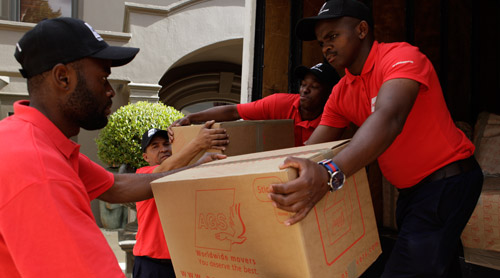
Whether you’re planning a local move or an international relocation, AGS Dar Es Salaam, a proud branch of the AGS Group, is the professional moving company you can trust. As part of a global network with more than 140 locations worldwide, AGS Movers combines vast experience with efficient moving processes to deliver a seamless relocation experience.
At AGS Movers Dar Es Salaam, we offer unmatched professionalism, world-class quality standards, and expertise in a wide range of services, including international removals, office moves, groupage, vehicle transport, fine art shipping, pet transport, secure storage facilities, and other moving services.
While our most popular destinations include the USA, the UK, and the EU, we have the capability to move you anywhere in the world!
Moving to vibrant Dar El Salaam, central Dodoma, agricultural Morogoro, or coastal Tanga?
AGS Movers is here to ensure a stress-free move to any of these popular destinations.
AGS Dar Es Salaam Fast Facts
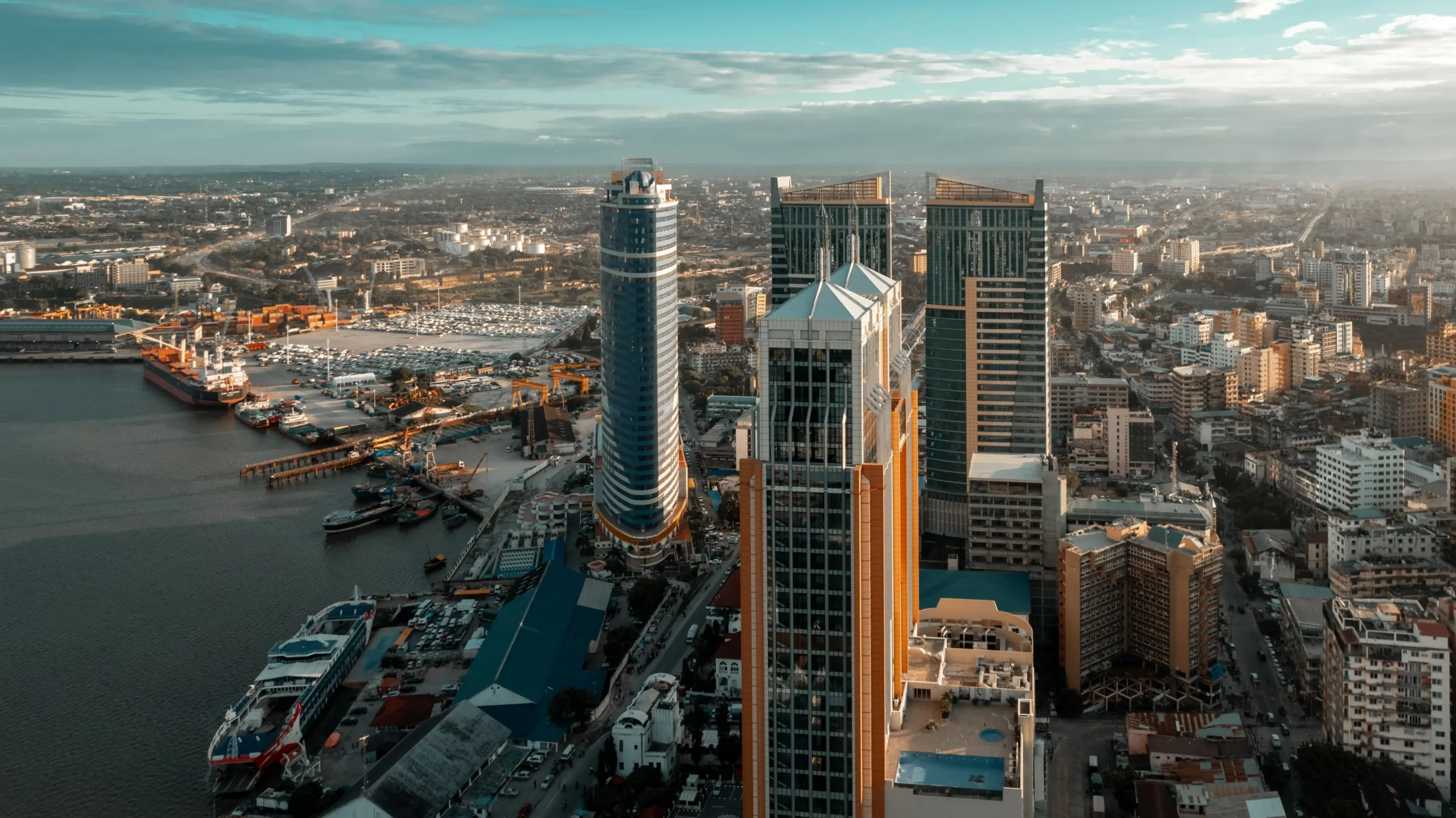
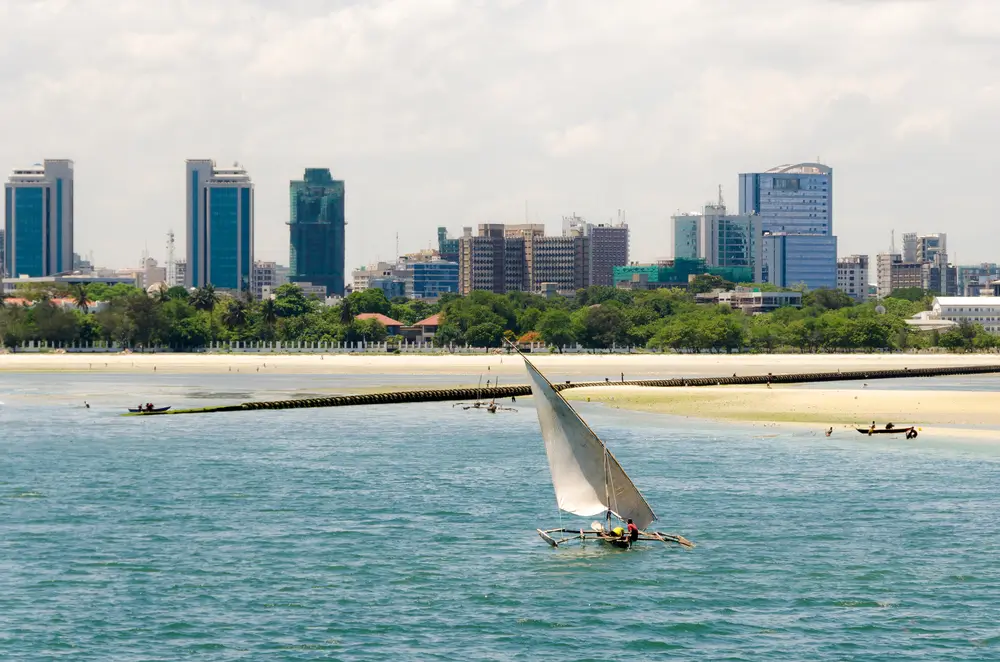
AGS Movers Dar Es Salaam efficiently carries out around 160 local and international moves annually, assisted by their 2 trucks and robust warehouses measuring 820m2.
-
Landmarks
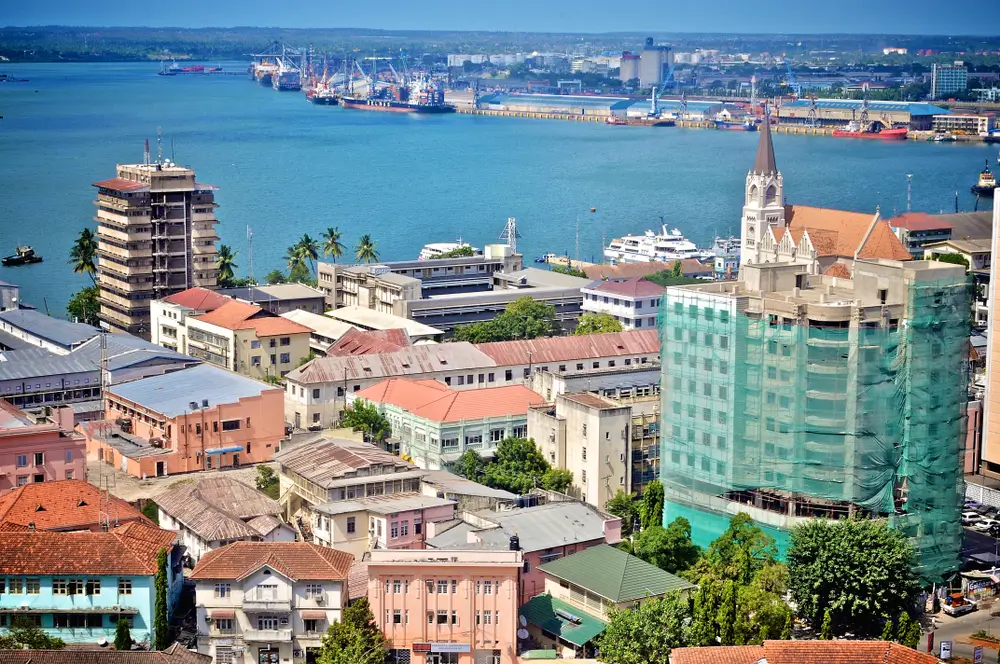
National Museum and House of Culture: This significant institution preserves Tanzanian history, art, and traditional culture for all visitors to explore.
Kivukoni Fish Market: A vibrant, bustling market showcasing the daily catch, offering a glimpse into local life and fresh seafood.
St. Joseph’s Metropolitan Cathedral: A beautiful cathedral in the city centre, displaying impressive Gothic architecture, serving as a spiritual landmark.
Askari Monument: This iconic monument commemorates African soldiers who fought in World War I, a significant historical site.
-
Education
University of Dar es Salaam: A prominent public university offering a wide array of academic programs, contributing significantly to higher education.
Ardhi University: A leading institution specializing in land-related disciplines, known for its rigorous academic programs and research.
Muhimbili University of Health and Allied Sciences (MUHAS): A respected university, recognized for its excellence in health sciences and medical professional training.
Institute of Finance Management (IFM): A private university providing diverse academic offerings, focusing on holistic education and business development.
-
Public Transport
Dala-dalas (Minibuses): Widely available, these shared minibuses offer a convenient and affordable mode of transport on fixed routes.
Buses: A developing network of public buses connects various parts of the city, offering an affordable travel option for commuters.
Bajaj (Tuk-tuks): A quick and flexible option for short distances, providing efficient travel through busy city streets, popular among locals.
Taxis: Readily available, offering a convenient and direct mode of transport for navigating the city, with negotiated fares.
-
Climate
Summer: Hot and humid (28-32°C / 82-90°F) with high humidity and frequent rainfall during the wet season.
Winter: Warm and dry (20-25°C / 68-77°F) with cooler evenings and minimal precipitation, offering pleasant conditions.
-
Landmarks
Arusha Clock Tower: Marks the halfway point between Cairo and Cape Town, a central point and popular meeting spot.
National Natural History Museum: Houses exhibits on human evolution and the region’s natural history, providing insights into the area’s past.
Mount Meru: A stunning, active stratovolcano near Arusha, offering incredible hiking opportunities and beautiful scenic views.
Shanga Workshop: A social enterprise creating beautiful handmade products from recycled materials, supporting local communities and disabled workers.
-
Education
University of Arusha: A growing private institution offering various academic programs and contributing to higher education in the region.
Tumaini University Makumira: A Christian university known for its wide array of academic offerings, including music and theology.
National College of Tourism: Provides comprehensive training for the hospitality and tourism sectors, crucial for Arusha’s economy.
Arusha Technical College: A key institution offering technical and vocational training, preparing students for skilled employment.
-
Public Transport
Dala-dalas (Minibuses): The main mode of transport, connecting different parts of the city and surrounding villages for an affordable fare.
Taxis: Readily available for hire in the city centre, offering direct and comfortable transportation for visitors and residents.
Bajaj (Tuk-tuks): A common sight for short trips within the city, providing a quick and flexible way to navigate traffic.
Buses: Long-distance buses connect Arusha to other major cities in Tanzania, facilitating intercity travel for commuters.
-
Climate
Summer: Mild to warm (18−28∘C/64−82∘F) with moderate to heavy rainfall during the wet season.
Winter: Cool and dry (13−22∘C/55−72∘F), characterized by clear skies and sunny days, perfect for safaris.
Rainfall: A bimodal pattern with a long rainy season from March to May and a shorter one from October to December.
-
Landmarks
Kilimanjaro: The iconic mountain is the world’s highest free-standing peak, drawing tourists and climbers from all over.
Moshi Town Market: A vibrant central market where locals and tourists alike can buy fresh produce and crafts.
Materuni Waterfalls: A stunning natural attraction near Moshi, offering a refreshing swim and beautiful scenery.
Old Moshi Tower: A historic German-era clock tower, representing the town’s colonial past and architectural heritage.
-
Education
Moshi Co-operative University (MoCU): A public university offering various programs focused on co-operative studies and business administration.
Kilimanjaro Christian Medical University College (KCMUCo): A key institution for health sciences, training medical professionals for the region.
Moshi Technical College: An institute providing technical and vocational education, preparing students for skilled jobs and employment.
Moshi University College of Business and Economic Studies: A private college offering business and economic degrees.
-
Public Transport
Dala-dalas (Minibuses): A prevalent mode of transport for getting around Moshi and its suburbs at a low cost.
Bodabodas (Motorbike Taxis): The most common and flexible option for short distances, navigating traffic with ease.
Taxis: Readily available for hire, offering a more comfortable and direct way to travel to specific destinations.
Buses: Long-distance buses connect Moshi to Arusha, Dar es Salaam, and other major cities.
-
Climate
Summer: Warm and wet (20−30∘C/68−86∘F) with heavy rainfall, especially from November to April.
Winter: Cooler and drier (15−25∘C/59−77∘F) with lower humidity and clearer skies.
Rainfall: The wet season is from November to April, with most rainfall occurring from March to May, making it humid and lush.
-
Landmarks
Stone Town: A UNESCO World Heritage site, famous for its historical architecture and vibrant cultural heritage.
House of Wonders: A grand historic building, once a sultan’s palace, now a museum showcasing Zanzibar’s past.
Old Fort: A significant defensive structure, now a cultural centre hosting events and local artisan stalls.
Forodhani Gardens: A popular evening food market by the sea, offering delicious local street food and a lively atmosphere.
-
Education
State University of Zanzibar (SUZA): A prominent public university offering a wide range of academic programs, contributing significantly to higher education.
Zanzibar University: A leading institution specializing in various disciplines, known for its rigorous academic programs and research.
Global Institute of Technology: A respected institute, recognized for its excellence in vocational training and technical skill development.
Zanzibar Institute of Business Management (ZIBM): A private institute providing diverse academic offerings, focusing on practical business education.
-
Public Transport
Dala-dalas (Minibuses): Widely used for affordable travel, connecting different parts of the island and surrounding areas efficiently.
Taxis: Readily available for convenient point-to-point travel, with fares typically negotiated before the journey.
Buses: A developing network of public buses connects various parts of the city, offering an affordable travel option for commuters.
Bodabodas (Motorbike Taxis): Quick and flexible for short distances, providing efficient travel through busy city streets.
-
Climate
Summer: Hot and humid (28−32∘C/82−90∘F) with high humidity and frequent rainfall during the two wet seasons.
Winter: Warm and relatively dry (20−25∘C/68−77∘F) with cooler evenings, offering pleasant conditions for visitors.
Rainfall: The island experiences two rainy seasons; the long rains are from March to May, and the short rains are from November to December.
-
Landmarks
Sokoine University of Agriculture: A significant educational and research institution, showcasing agricultural advancements and contributing to the local economy.
Morogoro Museum: A local museum preserving the history and cultural heritage of the Morogoro region for visitors.
Mindu Mountains: Scenic mountains offering opportunities for hiking and enjoying nature, popular for outdoor activities.
Chamwino Market: A vibrant central market where locals engage in commerce, offering a variety of fresh produce and goods.
-
Education
Sokoine University of Agriculture (SUA): A public university offering various academic disciplines, playing a vital role in higher education development in the region.
Morogoro Teachers’ College: A prominent institute, providing quality education in teacher training for aspiring professionals.
Teofilo Kisanji University (TEKU) Morogoro Centre: An essential institution for training educators, ensuring a supply of qualified teachers for local schools.
Open University of Tanzania (OUT) Morogoro Regional Centre: A specialized institute focusing on distance learning, crucial for the region’s education access.
-
Public Transport
Dala-dalas (Minibuses): Readily available for hire, offering flexible and convenient transportation throughout the city of Morogoro.
Motorbike Taxis: Common for quick trips and navigating shorter distances efficiently within the urban area.
Buses: Local bus services connect different parts of Morogoro, providing an accessible and affordable public transport option.
Taxis: Shared minibuses are widely used for communal travel on established routes, a cost-effective choice.
-
Climate
Summer: Hot and wet (26−31∘C/79−88∘F) with heavy rainfall and high humidity during the rainy season.
Winter: Mild and dry (16−25∘C/61−77∘F), characterized by clear skies and cooler temperatures, typical of the dry season.
Rainfall: A single wet season from November to April, with the heaviest rainfall occurring between February and April.
-
Landmarks
Bunge (Parliament Building): The modern seat of Tanzania’s legislature, a key political and architectural landmark in the capital city.
Kondoa Irangi Rock Paintings (nearby): A UNESCO World Heritage site showcasing ancient rock art, significant for its historical and cultural value.
Dodoma University: A central landmark and one of the largest universities in Tanzania, a hub for education and research.
Dodoma Central Market: A vibrant and bustling market, providing a variety of fresh produce, goods, and local products for the community.
-
Education
University of Dodoma (UDOM): A large public university offering a wide range of academic programs and contributing to higher education development.
Dodoma Institute of Health and Allied Sciences: A prominent institute providing quality education in various health-related fields.
St. John’s University of Tanzania: A private university offering diverse academic disciplines, known for its holistic education approach.
Dodoma Vocational Training Centre: An institute providing technical training, preparing students for skilled employment and job opportunities.
-
Public Transport
Dala-dalas (Minibuses): Widely available for hire, these shared minibuses offer a convenient and affordable mode of transport on fixed routes.
Bajaj (Tuk-tuks): A popular and flexible option for short distances, providing efficient travel through busy city streets.
Taxis: Readily available for hire, offering a direct and convenient mode of transport for navigating the city.
Buses: Long-distance bus services connect Dodoma to other major cities in Tanzania, facilitating intercity travel.
-
Climate
Summer: Hot and wet (28−32∘C/82−90∘F) with a distinct rainy season, characterized by heavy rainfall and high humidity.
Winter: Warm and dry (15−28∘C/59−82∘F) with cooler evenings and minimal precipitation, offering pleasant conditions.
Rainfall: A single rainy season from November to April, characterized by heavy, sporadic showers and thunderstorms, followed by a long dry period.
-
Landmarks
Amboni Caves: A crucial natural landmark, serving as a significant hub for tourism and historical exploration, connecting to ancient civilizations.
Totem Boma: A scenic area along the coast, offering beautiful views and recreational opportunities for residents and visitors.
Urithi Tanga Museum: A historic building near the port, showcasing the region’s cultural heritage and serving as a landmark for the city.
Central Market: A bustling central market, providing a variety of fresh produce, goods, and local products for the community.
-
Education
Kampala University College, Tanga Centre: A growing university offering various academic programs, contributing to higher education and research in the region.
Stella Maris Mtwara University College, Tanga Campus: A key institution for teacher training, preparing educators for primary and secondary schools.
Tanga Institute of Health and Allied Sciences: An institute focused on health development, offering programs to enhance medical practices and community growth.
Kolej ya Tanga: A well-regarded secondary school, known for its academic standards and contributing to the educational landscape of Tanga.
-
Public Transport
Taxis: Available for hire, offering convenient and direct transportation within the city and surrounding areas.
Motorbike Taxis: A common mode of transport for quick and flexible short-distance travel around Tanga.
Buses: Essential for transport to and from Tanga, connecting to other towns and villages along the coast.
Dala-dalas (Minibuses): Local bus services provide connectivity within Tanga, offering an affordable option for residents.
-
Climate
Summer: Hot and humid (28−32∘C/82−90∘F) with significant rainfall during the wet season, typical of a tropical climate.
Winter: Warm and dry (22−28∘C/72−82∘F) with less humidity and cooler evenings, characteristic of the dry season.
Rainfall: Tanga experiences two rainy seasons; the long rains are from April to May, and the short rains are from October to December.
Frequently Asked Questions
Our moving services cater to several major cities across Tanzania, including Dodoma, Morogoro, Tanga, Bagamoyo, Singida, and Kigoma. Below are some frequently asked questions that can help you plan your move efficiently.
How far in advance should I book my move to Der Es Salaam?
Do you offer packing and unpacking moving services in Der Es Salaam?
Do you provide storage solutions to Der Es Salaam?
Can you move large and fragile objects, such as pianos or antiques?
How can I get my house ready for the moving company?
Are there any items that cannot be moved?
How do you ensure the safety of my belongings during the move?
Can you assist with the setup of my new home in Der Es Salaam?
How do you handle parking and access issues?
What happens if my belongings are damaged during the move?
At AGS Movers, we prioritise customer satisfaction and ensure that every aspect of your move, from departure to arrival, meets the highest standards of quality and professionalism.
5 steps to move abroad

First Contact

Home Inspection & Quotation

Packing & Goods removal

Transport

Unpacking & House arrangement
AGS Movers Dar es Salaam at a glance
CERTIFICATION AND AFFILIATION
For over 50 years, the AGS Group has set strict quality procedures for its international network, which are upheld by AGS Dar Es Salaam. These practices are based on general quality standards as well as those established by the most prestigious certification bodies in the removals industry.
These consistent quality standards ensure that whether you are moving to or from Dar Es Salaam, the AGS Group is committed to providing you with the best in removal and storage services.


Customer reviews on Google

I had a really positive local storage experience with AGS, from contact to packing. Thanks to the team.

2 months ago
Professional and quality services provided for my move to Tanzania. Every packages were handle with care.

2 months ago


Latest News in Dar es Salaam
Currently there are no related blog posts available for AGS Movers Dar-es-salaam. But check out all our latest news by clicking on the link below.
See All News