


AGS Movers Berlin
 Manager: Franck Maudet
 +49 33701 5320
 Märkische Allee 45
Großbeeren
Brandenburg
14979
Märkische Allee 45
Großbeeren
Brandenburg
14979
Languages Spoken


AGS MOVERS BERLIN: EXPERT REMOVALS IN LEIPZIG, DRESDEN & MORE
Are you searching for a trusted moving company that serves the entirety of Germany, including major cities like Berlin, Potsdam, Leipzig, Dresden, Erfurt and beyond? Based in Germany, AGS Movers Berlin is your dedicated international removals partner, offering specialised moving and storage services for individuals and businesses nationwide. With AGS Movers Berlin, you can count on a professional and seamless move, no matter where your destination lies within Germany or around the world.
Domestic & International Removals Solutions
AGS International Movers offers excellence to each of its clients.

International Moves

Domestic Moves

Office Moves

Secure Storage



Relocation & Immigration

Established in 1927, AGS Movers Berlin brings over 99 years of experience to the moving industry.
Whether you’re planning a local move or an international relocation, AGS Berlin, a proud branch of the AGS Group, is the professional moving company you can trust. As part of a global network with more than 140 locations worldwide, AGS Movers combines vast experience with efficient moving processes to deliver a seamless relocation experience.
At AGS Movers Berlin, we offer unmatched professionalism, world-class quality standards, and expertise in a wide range of services, including international removals, office moves, groupage, vehicle transport, relocation services, pet transport, secure storage facilities, and other moving services.
While our most popular destinations include the USA, China, Eastern Europe, Asia and Africa, we have the capability to move you anywhere in the world!
AGS Berlin Fast Facts
AGS Movers Berlin efficiently carries out around 1000 local and international moves annually, assisted by their logistics fleet and robust warehouses measuring 20000m2.
-
Landmarks
Berlin Wall Memorial: A powerful memorial preserving a section of the Berlin Wall, documenting its history and impact on lives.
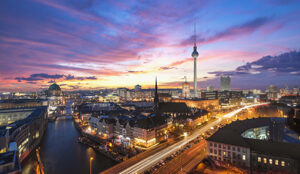
Fernsehturm Berlin: Iconic TV tower dominating Berlin’s skyline, offering panoramic views and a revolving restaurant.
Alexanderplatz: Bustling public square in central Berlin, a major transport hub surrounded by shops and attractions.
Brandenburger Tor: Berlin’s neoclassical triumphal arch, a powerful symbol of German unity and history.
Checkpoint Charlie: Historic Cold War border crossing in Berlin, now a museum commemorating division and freedom.
Reichstag: Germany’s historic parliament building in Berlin, topped with a modern glass dome offering public views.
-
Education
Humboldt University of Berlin: One of Berlin’s oldest universities, offering a wide range of humanities and science programs. It’s highly prestigious.
Berlin International School: Offers an IB curriculum from early years to diploma, fostering global citizenship in a diverse, English-speaking environment.
Free University of Berlin: A leading research university known for its strong programs in social sciences and natural sciences. It offers diverse studies.
International School of Berlin: An institute providing an inquiry-based IB education (PYP, MYP, DP) for students aged 3-18, promoting critical thinking and intercultural understanding.
Berlin Cosmopolitan School: A school offering bilingual (German/English) education from kindergarten to high school, combining German curricula with international elements.
-
Public Transport
Trams (Strassenbahn): Mostly in the eastern part of Berlin. Over 20 lines, including Metro Trams (M-lines) which run more frequently. Good coverage of areas not served by subways.
Buses: Extensive network, including night buses and express routes.
Metro Buses (M-lines): These offer faster, frequent service. Connects many areas not accessible by train.
S-Bahn (Suburban Trains): Trains that connect the city centre with suburbs and regional areas. Key for longer distances and outer districts
U-Bahn (Subway): 10 lines that cover central Berlin extensively. Trains run every few minutes from early morning until after midnight, with 24-hour service on weekends
Ferries (on the Havel): Six public ferry routes included in standard BVG tickets. Mainly for leisure and local connections offering tours along the Havel River, connecting various points by water. It’s a picturesque option.
-
Climate
Summer: Warm with average temperatures between 18-24°C (64-75°F), featuring occasional heatwaves and pleasant evenings. It’s generally comfortable.
Winter: Cold with average temperatures between -2°C and 4°C (28-39°F), often accompanied by snow and freezing conditions. It can be quite chilly.
Rainfall: Berlin experiences moderate rainfall throughout the year, with slightly more precipitation during the summer months. Showers are common.
-
Landmarks
Völkerschlachtdenkmal: This massive monument commemorates the 1813 Battle of the Nations, offering grand views and profound historical depth to visitors.
Mädler Passage: An elegant, historic shopping arcade, it famously houses Auerbachs Keller, a renowned establishment with strong connections to Goethe.
Augustusplatz: This large central square serves as home to significant cultural institutions, constantly bustling with vibrant city life and various events.
Nikolaikirche: A historically pivotal church in the Peaceful Revolution, it’s widely recognized for its iconic and architecturally distinctive palm-tree columns.
Leipziger Baumwollspinnerei: This former cotton mill has been impressively transformed into a vibrant art and cultural complex, housing numerous studios and galleries.
-
Public Transport
Trams: An extensive and efficient tram network, providing excellent connectivity throughout Leipzig and its suburbs.
Buses: Complement the tram system, reaching areas not covered by trams and extending public transport options.
S-Bahn Mitteldeutschland: A regional commuter rail system connecting Leipzig with surrounding towns and cities effectively.
Central Station (Hauptbahnhof): A major railway hub, offering numerous national and international train connections.
-
Climate
Summer: Warm with average temperatures between 18-23°C (64-73°F), with occasional thunderstorms and sunny periods.
Winter: Cold with temperatures often around 0°C (32°F), experiencing snow and frosty conditions, sometimes below freezing.
Rainfall: Leipzig experiences moderate rainfall throughout the year, with slightly higher amounts during summer months.
-
Landmarks
Frauenkirche (Church of Our Lady): An iconic Baroque church, magnificently reconstructed, symbolizing peace and reconciliation.
Semperoper (Semper Opera House): A magnificent opera house, renowned for its architecture and world-class opera performances.
Fürstenzug: An impressive porcelain mural depicting Saxon rulers. This vibrant artwork presents a grand historical narrative for all observers.
Residenzschloss: This former royal palace now functions as a comprehensive museum complex, proudly housing impressive art collections and royal treasures.
Dresdner Zwinger: An exquisite Baroque palace complex that features beautiful gardens, elaborate fountains, and houses several famous art galleries.
-
Education
Technische Universität Dresden: One of Germany’s largest technical universities, offering a wide array of academic programs.
Dresden University of Applied Sciences (HTW Dresden): Focuses on practical-oriented studies in engineering, economics, and design.
Hochschule für Bildende Künste Dresden (Dresden Academy of Fine Arts): A prestigious art academy with a long history of artistic education.
Dresden International School: Provides an English-medium IB education from early years to Grade 12, preparing students for global universities and careers.
-
Public Transport
Trams: An extensive and reliable tram network, providing efficient transportation throughout Dresden’s city centre and beyond.
Buses: Complement the tram system, ensuring comprehensive coverage and connecting various city districts effectively.
S-Bahn Dresden: A regional commuter rail system linking Dresden with surrounding towns and the Elbe Sandstone Mountains.
Elbe Ferries: Offer unique scenic transport across the Elbe River, connecting different parts of the city.
-
Climate
Summer: Warm and pleasant with temperatures between 18-23°C (64-73°F), often with sunny days and mild evenings.
Winter: Cold with temperatures often around 0°C (32°F), experiencing snow and frosty conditions, sometimes below freezing.
Rainfall: Dresden experiences moderate rainfall throughout the year, with slightly more precipitation in summer months.
-
Landmarks
Dom St. Marien: An imposing Gothic cathedral that forms a stunning ensemble with Severikirche, together dominating the impressive city skyline.
Krämerbrücke (Merchants’ Bridge): A unique bridge lined with inhabited houses; one of Europe’s last remaining such structures.
Rathaus am Fischmarkt: The historic town hall sits on a vibrant market square, showcasing impressive architecture and the lively rhythm of city life.
Zitadelle Petersberg: This remarkably well-preserved Baroque fortress offers breathtaking panoramic views and valuable insights into Erfurt’s rich history.
Martin Luther (Augustinian Monastery): The Augustinian Monastery, where Martin Luther lived, now serves as an insightful museum and a unique hotel.
-
Education
University of Erfurt: A prominent university with a focus on humanities, social sciences, and educational studies.
Fachhochschule Erfurt (University of Applied Sciences of Erfurt): Offers practical-oriented degree programs in various fields like architecture and landscape.
Internationale Gemeinschaftsschule Erfurt: A bilingual (German/English), public school offering an inclusive learning environment for students from primary to secondary levels.
University Hospital Jena (nearby): A major medical teaching hospital offering medical education and is affiliated with the University of Jena.
-
Public Transport
Trams: An efficient and well-developed tram network, providing the primary mode of public transport within Erfurt.
Buses: Complements the tram system, reaching areas not covered by trams, extending accessibility throughout the city.
Erfurt Hauptbahnhof: A central railway station, offering excellent national and regional train connections.
Cycling Paths: Extensive cycling infrastructure, making bicycles a popular and convenient way to navigate the city.
-
Climate
Summer: Warm and pleasant with temperatures between 17-22°C (63-72°F), often with comfortable sunshine.
Winter: Cold with temperatures often around 0°C (32°F), experiencing snow and frosty conditions, sometimes below freezing.
Rainfall: Erfurt experiences moderate rainfall throughout the year, with slightly higher amounts during summer.
-
Landmarks
Sanssouci Palace: A magnificent Rococo palace surrounded by beautiful gardens. It is the former summer residence of Frederick the Great.
Cecilienhof Palace: A historic palace where the Potsdam Conference took place. Significant for post-WWII history.
Dutch Quarter: A unique architectural ensemble of red brick houses, reflecting Dutch influence and a charming atmosphere.
Babelsberg Park: A picturesque park surrounding Babelsberg Palace, offering stunning views and historical significance.
-
Education
University of Potsdam: A prominent university offering a wide range of academic disciplines and research opportunities.
Filmuniversität Babelsberg Konrad Wolf: Germany’s oldest and largest film school, renowned for its excellent media programs.
Hasso Plattner Institute: A leading institute for IT system engineering, focused on innovative research and education.
Fachhochschule Potsdam (University of Applied Sciences): Offers practical-oriented degree programs in various fields like design and social work.
-
Public Transport
Trams: An efficient tram network connecting various parts of Potsdam. It is ideal for city navigation and sightseeing.
Buses: Extensive bus services complement the tram network, providing comprehensive coverage throughout the city.
S-Bahn (Commuter Rail): Connects Potsdam directly to Berlin, making it convenient for commuters and visitors alike.
Regional Trains: Offers further connections to other towns and cities in Brandenburg, enhancing regional accessibility.
-
Climate
Summer: Generally warm with average temperatures from 17-22°C (63-72°F), experiencing pleasant conditions and sunshine.
Winter: Cold with temperatures typically around 0°C (32°F), often accompanied by frost and occasional snowfall.
Rainfall: Potsdam experiences moderate rainfall throughout the year, with slightly more precipitation in summer months.
-
Landmarks
Oranienburg Palace: A beautiful Baroque palace with extensive gardens, offering historical insights and scenic beauty.
Sachsenhausen Memorial and Museum: It is the former concentration camp. Making it a significant historical site, serving as a place of remembrance.
Tier- und Freizeitpark Germendorf: A popular animal and leisure park, offering family-friendly attractions and outdoor activities.
Schloss Oranienburg Gardens: Well-maintained palace gardens perfect for leisurely strolls and enjoying nature’s beauty.
-
Education
Oberstufenzentrum (OSZ) Oberhavel: A vocational college offering a wide range of practical courses and professional training programs.
Grundschule Sachsenhausen: A local primary school serving the community, providing essential foundational education for children.
Louise-Henriette-Gymnasium: A respected secondary school known for its academic excellence and preparing students for higher education.
Regionale Schule Oranienburg: Offers comprehensive secondary education, supporting students with diverse learning needs and pathways.
-
Public Transport
S-Bahn (Commuter Rail): Provides direct and frequent connections to Berlin, making it a commuter-friendly location.
Regional Trains: Offer further transport that links to other towns within Brandenburg, enhancing regional connectivity options.
Buses: Local bus services connect different parts of Oranienburg and surrounding areas, providing convenient travel.
Cycling Paths: Extensive cycling infrastructure makes bicycles a popular and eco-friendly mode of local transport.
-
Climate
Summer: Warm and pleasant with temperatures averaging between 17-22°C (63-72°F), suitable for outdoor activities and events.
Winter: Cold with temperatures often around 0°C (32°F) or below, characterized by frost and occasional snow showers.
Rainfall: Oranienburg experiences moderate rainfall spread throughout the year, with slightly higher amounts in summer.
-
Landmarks
Historische Stadtmauer (Historic City Wall): Well-preserved medieval city walls, offering a glimpse into Bernau’s rich history.
Steintor (Stone Gate): An impressive medieval city gate, that is part of the historic fortifications and a town landmark.
St. Marienkirche (St. Mary’s Church): A beautiful Gothic church in the town centre, significant for its architecture and history.
Visitor Centre Hoher Fläming Nature Park: While not in Bernau, it is a key regional attraction for nature enthusiasts nearby.
-
Education
Hochschule für nachhaltige Entwicklung Eberswalde (HNEE): A university of applied sciences nearby, focused on sustainable development.
Barnim-Gymnasium: A well-regarded secondary school in Bernau, providing a strong academic foundation for students.
Oberschule an der Pankgrafenstraße: A comprehensive school offering diverse educational pathways for secondary students.
Grundschule am Blumenhag: A local primary school serving the community, providing essential education for younger children.
-
Public Transport
S-Bahn (Commuter Rail): Offers excellent and frequent connections directly to Berlin, making it ideal for daily commuting.
Regional Trains: Provides additional train services connecting Bernau to other regional destinations beyond Berlin.
Buses: Local bus lines ensure good connectivity within Bernau and to nearby towns, offering convenient travel.
Cycling Paths: An expanding network of cycling paths supports active transportation for local errands and leisure.
-
Climate
Summer: Warm and pleasant with temperatures typically between 18-23°C (64-73°F), ideal for enjoying outdoor activities.
Winter: Cold with average temperatures being around 0°C (32°F), often accompanied by frost and occasional snowfall.
Rainfall: Bernau experiences moderate precipitation throughout the year, with slightly higher amounts in summer.
Frequently Asked Questions
Our moving services cater to several major cities across Germany, including Berlin, Leipzig, Dresden, Erfurt, Potsdam, and Oranienburg. Below are some frequently asked questions that can help you plan your move efficiently.
How far in advance should I book my move to Berlin?
Do you offer packing and unpacking moving services in Berlin?
Do you provide storage solutions in Berlin?
Can you move large and fragile objects, such as pianos or antiques?
How can I get my house ready for the moving company?
Are there any items that cannot be moved?
How do you ensure the safety of my belongings during the move?
Can you assist with the setup of my new home in Berlin?
How do you handle parking and access issues?
What happens if my belongings are damaged during the move?
At AGS Movers, we prioritise customer satisfaction and ensure that every aspect of your move, from departure to arrival, meets the highest standards of quality and professionalism.
5 steps to move abroad

First Contact

Home Inspection & Quotation
Packing & Goods removal

Transport
Unpacking & House arrangement
AGS Movers Berlin at a glance
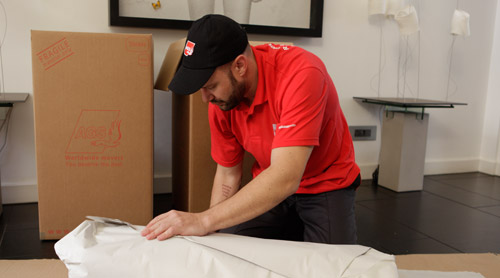
CERTIFICATION AND AFFILIATION
For over 50 years, the AGS Group has set strict quality procedures for its international network, which are upheld by AGS Berlin. These practices are based on general quality standards as well as those established by the most prestigious certification bodies in the removals industry.
These consistent quality standards ensure that whether you are moving to or from Germany, the AGS Group is committed to providing you with the best removal and storage services.


ART LOGISTICS
Whether you are moving a small private collection of Chinese porcelain, or an entire art exhibition – AGS FROESCH BERLIN Fine Art Logistics is your partner of choice for moving art.
Art logistics is Part of the AGS FROESCH BERLIN portfolio. We provide solutions for packing, art shipping, handling, presentation and storage of all kinds of art for private collectors, museums, exhibitions and fairs.
Reputable museums, galleries, collectors and auction houses are among our customers who appreciate the expertise of our staff and our high quality standards. Our clients benefit from significant cost savings due to the use of our logistics department.

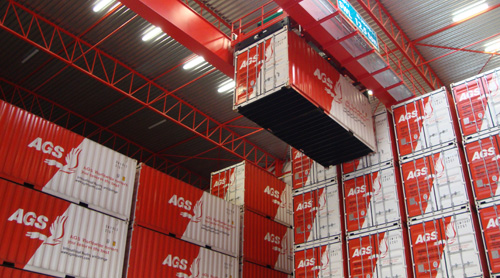
STORAGE
Whether plants, cars or works of art – we have the appropriate short- and long-term storage facility for your belongings
AGS FROESCH BERLIN has a high security storage facility for sensitive and valuable items, a plant storage and a pallet warehouse for commercial goods and small packages.
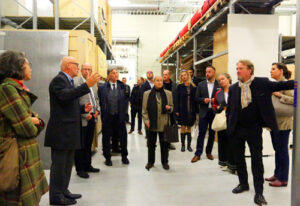
Our warehouse is equipped with fire detectors, alarm systems and security guards. We store all kinds of goods safely in a dry environment, from moving boxes to 20ft. steel containers. We protected goods from damage, dust and dirt. A detailed inventory of all effects ensures fast retrieval and rules out mixing up of the parcels.
Forklifts, scales and our wooden crates and frames, manufactured by our in-house carpentry workshop, are another quality and service standard at AGS FROESCH.
AGS Froesch Berlin rewarded FAIM
AGS Froesch Berlin was rewarded for its consistent efforts to provide high-quality service with the FAIM “Confirmation of Quality Assurance” certificate.
As a responsible company, AGS Froesch Berlin is committed to the fight against corruption and anti-competitive practices, as well as the protection of personal data. Our subsidiary complies with the following charters and policies: