


AGS Movers Shanghai
 Manager: Theresa Xie
 +86 21 3126 2221
 Room 420, Jingan Modern Industry Tower,
No.68 Changping Road, 200041, Shanghai, China
Shanghai
200041
Languages Spoken


AGS MOVERS SHANGHAI: EXPERT REMOVALS IN HANGZHOU, SUZHOU & MORE
Looking for a trusted moving company in China, serving major cities like Shanghai, Hangzhou, Ningbo, Wuxi, Suzhou, Nanjing and beyond? AGS Movers Shanghai is your dedicated partner for international removals, providing tailored moving and storage solutions for individuals and businesses nationwide. With us, you can count on a smooth, professional move, within China or anywhere in the world.
Domestic & International Removals Solutions
AGS International Movers offers excellence to each of its clients.

International Moves

Domestic Moves

Office Moves

Secure Storage

Vehicle Transfer




Established in 1996, AGS Movers Shanghai brings over 21 years of experience to the moving industry.
Whether you are planning a local move or an international relocation, AGS Shanghai, a proud branch of the AGS Group, is the professional moving company you can trust. As part of a global network with more than 140 locations worldwide, AGS Movers combines vast experience with efficient moving processes to deliver a seamless relocation experience.
At AGS Movers Shanghai, we offer unmatched professionalism, world-class quality standards, and expertise in a wide range of services, including international removals, office moves, groupage, vehicle transport, fine art shipping, pet transport, secure storage facilities, and other moving services.
While our most popular destinations include France, Germany, and North America, we have the capability to move you anywhere in the world!
Moving to glitzy Shanghai, artistic Suzhou, enchanting Hangzhou, or coastal Ningbo?
AGS Movers is here to ensure a stress-free move to any of these popular destinations.
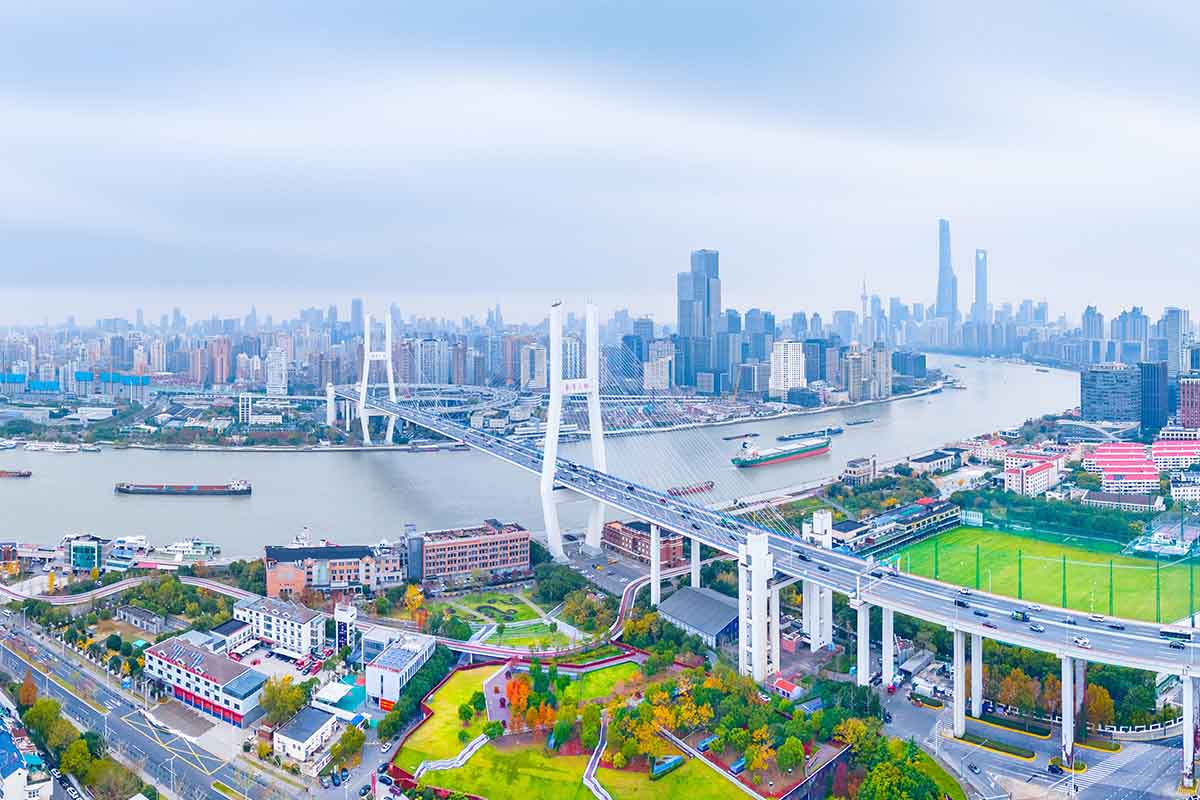
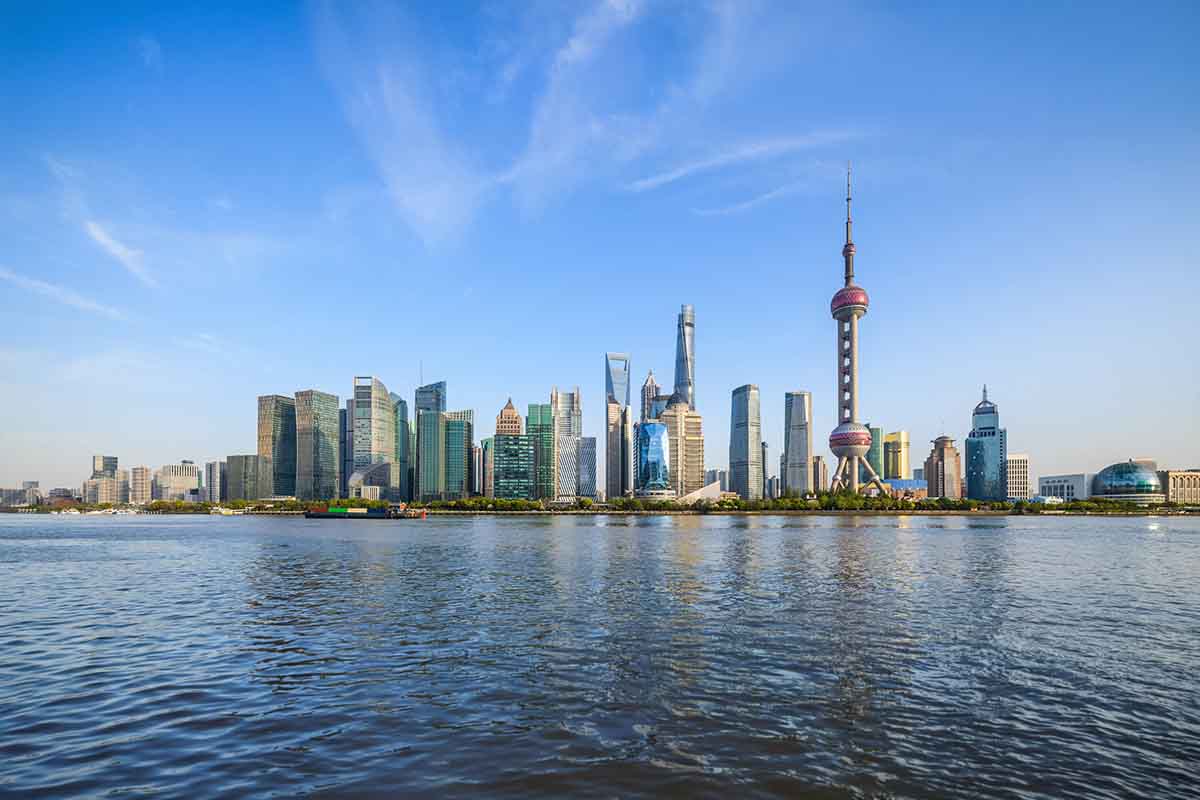
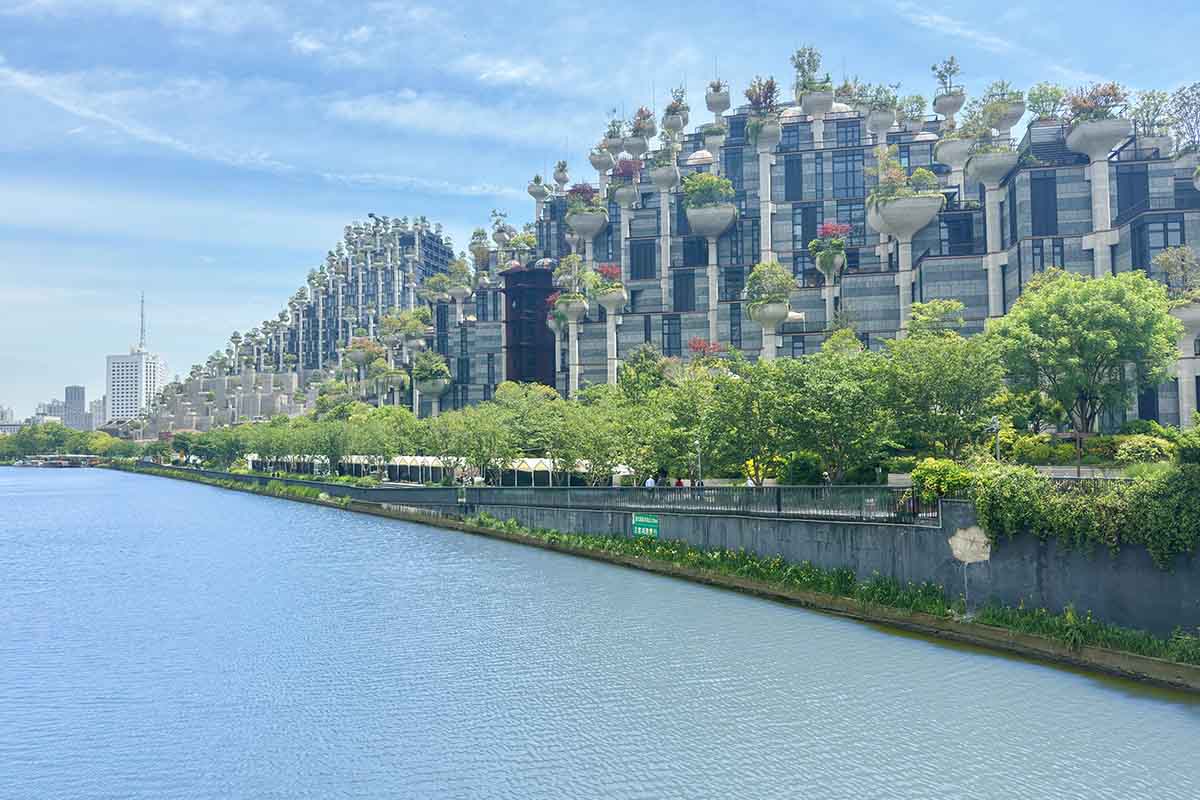
AGS Shanghai Fast Facts
AGS movers Shanghai efficiently carries out around 400 local and international moves annually, assisted by their trucks and robust warehouses measuring 800sqm.
-
Landmarks
The Bund: A famous waterfront area in central Shanghai, it showcases a row of historical buildings from Shanghai’s colonial past while offering stunning views of the Huangpu River.
Oriental Pearl Tower: One of the world’s tallest TV towers, it is a symbol of Shanghai’s modern skyline, offering observation decks with breathtaking panoramic views of the city.
Yu Garden: A classical Chinese garden with traditional pavilions, ponds, rockeries, and peaceful pathways, providing a serene escape in the heart of the bustling metropolis of Shanghai.
Shanghai Tower: As one of the tallest buildings globally, it represents Shanghai’s economic power and features a unique design while offering visitors incredible views of the city.
-
Education
Shanghai American School: A prominent international school providing an American-based curriculum, it serves a diverse expatriate community from early childhood through to high school.
Shanghai Jiao Tong University: A prestigious institution for higher education, it is renowned for its engineering, science, and business programs, attracting students worldwide.
Fudan University: One of China’s oldest and most selective universities, it is renowned for its strong academic research and comprehensive programs across various disciplines.
British International School Shanghai: With several campuses, the institution offers a British curriculum that provides quality education and fosters a global perspective in its student body.
-
Transportation
Shanghai Metro: An extensive and efficient subway system, it offers a convenient way to navigate the city, reaching most major districts and key attractions for residents.
Maglev Train: The world’s first commercial high-speed magnetic levitation line, it connects Pudong Airport to the city, providing a fast travel option for commuters.
Taxis: Readily available throughout Shanghai, taxis offer a comfortable and direct mode of transport. They are especially useful for navigating specific locations or commuting during late hours.
Buses: A comprehensive public bus network operates across Shanghai, providing affordable transportation options, with numerous routes connecting different parts of the city.
-
Climate
Summer: Hot and humid (25-35°C / 77-95°F).
Winter: Cool and damp (5-15°C / 41-59°F).
Rainfall: Shanghai experiences a humid subtropical climate with four distinct seasons and significant rainfall throughout the year. June typically sees the highest monthly rainfall, while the late autumn and winter months are much drier and colder.
-
Landmarks
Classical Gardens of Suzhou: As UNESCO World Heritage Sites, these gardens – such as the Humble Administrator’s Garden – showcase traditional Chinese landscape design, with serene ponds and beautiful pavilions.
Tiger Hill: A famous scenic spot with a leaning pagoda, it offers historical significance and beautiful views, attracting tourists and locals seeking cultural insights.
Tongli Water Town: An ancient town with canals, stone bridges, and traditional architecture, it provides a glimpse into China’s rich heritage and tranquil lifestyle.
Jinji Lake: A modern urban lake surrounded by skyscrapers, parks, and cultural venues, it symbolises Suzhou’s blend of modernity and traditional beauty.
-
Education
Soochow University: One of the oldest universities in China, it offers a wide range of programs and is known for its beautiful campus and strong academic environment for students.
Xi’an Jiaotong-Liverpool University: A partnership university focusing on international education, it provides English-taught programs and a global learning experience for students.
Suzhou University of Science and Technology: This engineering- and technology-focused institution prepares students for careers in technical fields and scientific research.
Dulwich College Suzhou: As part of a prestigious international school network, it offers a British curriculum with a strong emphasis on holistic education for its students.
-
Transportation
Suzhou Rail Transit: An expanding metro system, it offers efficient and convenient travel within Suzhou, connecting major districts and facilitating daily commutes for residents.
Taxis: Easily accessible, taxis provide a direct transportation option in Suzhou, suitable for reaching specific destinations or for people traveling with luggage.
Buses: A comprehensive bus network operates throughout the city, offering affordable transportation and conveniently connecting various parts of Suzhou.
Canal Boats: In the ancient water towns around Suzhou, boats offer a unique way to explore the scenic waterways and historical sites, providing a traditional transportation experience.
-
Climate
Summer: Hot and humid (25–34°C / 77–93°F).
Winter: Mild and relatively damp (5–12°C / 41–54°F).
Rainfall: Suzhou experiences a humid subtropical climate with four distinct seasons and abundant rainfall, especially during the monsoon season in June and July.
-
Landmarks
West Lake: This UNESCO World Heritage site is celebrated for its scenic beauty, with pagodas, gardens, and bridges enhancing its tranquil and picturesque landscapes.
Leifeng Pagoda: Reconstructed on a historic site, this pagoda offers cultural significance and panoramic views of West Lake, attracting visitors interested in history.
Lingyin Temple: One of the most prominent Buddhist temples in China, it is known for its historical carvings and serene environment, providing spiritual and cultural insights.
Xixi National Wetland Park: This urban wetland with natural scenery offers a peaceful retreat with waterways, green spaces, and diverse wildlife, showcasing ecological preservation.
-
Education
Zhejiang University: As a prestigious university in China, it is renowned for its rigorous programs in engineering, technology, and business, attracting top students nationwide.
China Academy of Art: One of the most prestigious art academies, it fosters creativity and talent in various artistic disciplines, contributing to the city’s cultural richness.
Zhejiang University of Technology: This university focuses on applied sciences and engineering, preparing students for technical careers and contributing to regional development.
Hangzhou Normal University: With a long history, it provides teacher education and various other programs. The institution plays a key role in the city’s educational landscape.
-
Transportation
Hangzhou Metro: This is a modern and expanding subway system that provides efficient transportation throughout the city, connecting major areas and easing traffic congestion for commuters.
Buses: An extensive public bus network operates in Hangzhou, offering affordable travel options with numerous routes covering both urban and suburban areas of the city.
Taxis: Readily accessible, taxis offer convenient and direct transportation in Hangzhou, suitable for navigating specific locations or for people traveling with luggage.
Bicycles: Hangzhou is known for its bike-sharing programs, promoting cycling as a green and convenient way to explore the city’s scenic spots and urban areas.
-
Climate
Summer: Hot and humid (26–35°C / 79–95°F).
Winter: Cool and damp (5–12°C / 41–54°F).
Rainfall: Hangzhou experiences a humid subtropical climate with four distinct seasons and significant rainfall, particularly during the spring and summer months.
-
Landmarks
Tianyi Pavilion: One of the oldest libraries in China, it is a significant cultural site with ancient books and traditional Chinese architecture, showcasing the city’s intellectual heritage.
Baoguo Temple: An ancient wooden structure, it is renowned for its historical and architectural importance, attracting visitors interested in cultural and religious history.
Old Bund: Ningbo’s waterfront area, it features historical buildings and modern developments, offering a blend of the city’s past and present along the riverfront.
Xiangshan Sea: Coastal scenic area known for beautiful beaches, seafood, and natural landscapes, offering a relaxing getaway and showcasing Ningbo’s maritime charm.
-
Education
Ningbo University: A comprehensive public research university that offers a wide range of programs, it contributes to the city’s academic and research environment.
Ningbo Institute of Technology: Focusing on engineering and technology, this institute prepares students for technical careers and supports the region’s industrial growth and the economy.
Zhejiang Wanli University: A private university offering various programs, it emphasises innovation and practical skills while catering to students’ diverse educational needs.
Nottingham University Ningbo China: The first Nottingham University campus, it provides British-style education, fostering international collaboration and diverse learning experiences.
-
Transportation
Ningbo Rail Transit: Ningbo’s metro system offers efficient and convenient transportation within the city, connecting major districts and facilitating daily commutes.
Buses: A public bus network operates throughout Ningbo, providing affordable transportation options for commuters with routes covering urban and suburban areas of the city.
Taxis: Readily available, taxis offer a convenient and direct mode of transport in Ningbo, especially useful for reaching specific locations or traveling with luggage.
Port: As a major port city, Ningbo has extensive sea and river transport. This is crucial for the city’s trade and logistics, connecting it to domestic and international destinations.
-
Climate
Summer: Hot and humid (26–34°C / 79–93°F).
Winter: Cool and damp (5–12°C / 41–54°F).
Rainfall: Ningbo experiences a humid subtropical climate with four distinct seasons and abundant rainfall, particularly during the spring and summer months.
-
Landmarks
Taihu Lake: One of the largest freshwater lakes in China, it offers scenic beauty and recreational activities, enhancing Wuxi’s appeal as a city with natural attractions.
Lingshan Scenic Area: Home to the Grand Buddha at Ling Shan, it is a significant Buddhist site that attracts visitors with its cultural and spiritual landmarks and beautiful landscapes.
Yuantouzhu (Turtle Head Isle): A peninsula in Taihu Lake, it is famous for its cherry blossoms and beautiful scenery, attracting tourists and locals that seek natural beauty.
Ancient Canal: As a section of the Grand Canal, it showcases Wuxi’s historical importance as a trading hub, with traditional architecture lining the waterways.
-
Education
Jiangnan University: A prominent national university, it is renowned for its programs in food science, engineering, and design, contributing to the city’s academic and research excellence.
Taihu University: This comprehensive university offers various disciplines, playing a vital role in Wuxi’s higher education landscape and providing opportunities for local students.
Wuxi Institute of Technology: Focusing on vocational and technical education, it prepares students with practical skills for careers in manufacturing and technology sectors, supporting the local economy.
Nanjing University of Information Science and Technology Wuxi Campus: This campus specialises in meteorology and related fields, contributing to research and education in atmospheric sciences.
-
Transportation
Wuxi Metro: Wuxi’s subway system offers efficient transportation that eases traffic within the city, connecting major districts and facilitating daily commutes for residents.
Buses: A comprehensive bus network operates throughout Wuxi, providing affordable and accessible transportation with routes covering both urban and suburban areas of the city.
Taxis: Taxis offer a convenient, accessible and direct mode of transport in Wuxi, suitable for reaching specific locations or for people traveling with luggage.
High-Speed Rail: Wuxi is a key stop on the high-speed rail network that provides fast and convenient connections to major cities like Shanghai and Nanjing for business and travel.
-
Climate
Summer: Hot and humid (25–34°C / 77–93°F).
Winter: Cool and damp (4–11°C / 39–52°F).
Rainfall: Wuxi experiences a humid subtropical climate with four distinct seasons and abundant rainfall, particularly during the spring and summer months.
-
Landmarks
Purple Mountain (Zijin Mountain): Offers a mix of natural scenery and historical sites, including the Sun Yat-sen Mausoleum, providing cultural and scenic experiences for visitors.
Confucius Temple (Fuzimiao): A historical and cultural area with traditional architecture, shops, and the ancient temple. The temple showcases Nanjing’s rich heritage and vibrant atmosphere.
Nanjing Massacre Memorial Hall: A significant historical site dedicated to the victims of the Nanjing Massacre, it serves as a war memorial and major history museum.
Ming Xiaoling Mausoleum: The tomb of the Ming Dynasty’s founder, it is a UNESCO World Heritage Site with impressive architecture and beautiful surroundings, reflecting imperial history.
-
Education
Nanjing University: One of China’s oldest and most prestigious universities, it is renowned for its strong academic programs and research contributions across various disciplines.
Southeast University: A leading university with a focus on engineering, architecture, and technology, playing a key role in the city’s development and innovation.
Nanjing University of Aeronautics and Astronautics: This university specialises in aerospace and civil aviation, attracting students interested in aviation and related engineering fields.
Nanjing Normal University: A comprehensive university with a long history, it is known for its teacher education programs and rigorous programs in the humanities and social sciences.
-
Transportation
Nanjing Metro: An extensive and efficient subway system, it provides convenient transportation throughout the city, connecting major districts and facilitating daily commutes.
Buses: A comprehensive public bus network operates across Nanjing, offering affordable transportation options with numerous routes covering both urban and suburban areas.
Taxis: Readily available throughout Nanjing, taxis offer a direct and comfortable mode of transport. This is especially useful for navigating specific locations or traveling with luggage.
High-Speed Rail: Nanjing is a major hub on China’s high-speed rail network, providing fast and convenient connections to other major cities for efficient travel.
-
Climate
Summer: Hot and humid (26–35°C / 79–95°F).
Winter: Cool and damp (2–10°C / 36–50°F).
Rainfall: Nanjing experiences a humid subtropical climate with significant rainfall, particularly during the spring and summer. Nearly 59% of the annual rain falls between May and August, driven by the East Asian Monsoon.
-
Landmarks
Xiaoyaojin Park: A historical park with gardens, bridges, and a lake, offering a peaceful retreat in the city and showcasing traditional Chinese landscape design for visitors.
Anhui Museum: Showcases the history and culture of Anhui Province, with exhibits on archaeology, art, and natural history, providing educational insights for visitors.
Lord Bao Park: Dedicated to the famous judge Bao Zheng, this park features historical sites and cultural exhibits, honouring his legacy and contributions to Chinese history.
Mount Dashu National Forest Park: Offers natural scenery with mountains, forests, and temples, providing opportunities to hike and enjoy the outdoors near the city of Hefei.
-
Education
University of Science and Technology of China (USTC): A prestigious university known for its science and technology programs, attracting top students and researchers nationwide.
Hefei University of Technology: A prominent university focusing on engineering and technology, it plays a vital role in the city’s industrial development and technological advancements.
Anhui University: A comprehensive university offering a wide range of academic programs. The institution contributes to the intellectual and cultural life of Hefei and the province.
Anhui Agricultural University: Specialises in agricultural sciences and related fields, supporting the region’s agricultural sector through education and research.
-
Transportation
Hefei Metro: Hefei’s expanding metro system provides efficient transportation within the city, connecting key areas and easing traffic congestion for commuters’ convenience.
Buses: A public bus network operates throughout Hefei, offering affordable transportation options for commuters, with routes covering both urban and suburban areas of the city.
Taxis: Readily available, taxis offer a convenient and direct mode of transport in Hefei, suitable for reaching specific destinations or traveling with luggage in the city.
High-Speed Rail: Hefei is an important hub on the high-speed rail network, providing fast and convenient connections to major cities, facilitating travel and economic links.
-
Climate
Summer: Hot and humid (27–36°C / 81–97°F).
Winter: Cool and damp (2–9°C / 36–48°F).
Rainfall: Hefei experiences a humid subtropical climate with four distinct seasons and significant rainfall, particularly during the spring and summer months of the year.
Frequently Asked Questions
Our moving services cater to several major cities across China, including Shanghai, Hangzhou, Ningbo, Wuxi, Nanjing, and Hefei. Below are some frequently asked questions that can help you plan your move efficiently.
How far in advance should I book my move to Shanghai?
Do you offer packing and unpacking moving services in Shanghai?
Do you provide storage solutions in Shanghai?
Can you move large and fragile objects, such as pianos or antiques?
How can I get my house ready for the moving company?
Are there any items that cannot be moved?
How do you ensure the safety of my belongings during the move?
Can you assist with the setup of my new home in Shanghai?
How do you handle parking and access issues?
What happens if my belongings are damaged during the move?
At AGS Movers, we prioritise customer satisfaction and ensure that every aspect of your move, from departure to arrival, meets the highest standards of quality and professionalism.
5 steps to move abroad

First Contact

Home Inspection & Quotation

Packing & Goods removal

Transport
Unpacking & House arrangement
AGS Movers Shanghai at a glance

Certification and Affiliation
For over 50 years, the AGS Group has set strict quality procedures for its international network, which are upheld by AGS Shanghai. These practices are based on general quality standards as well as those established by the most prestigious certification bodies in the removals industry.
These consistent quality standards ensure that whether you are moving to or from China, the AGS Group is committed to providing you with the best in removal and storage services available.