

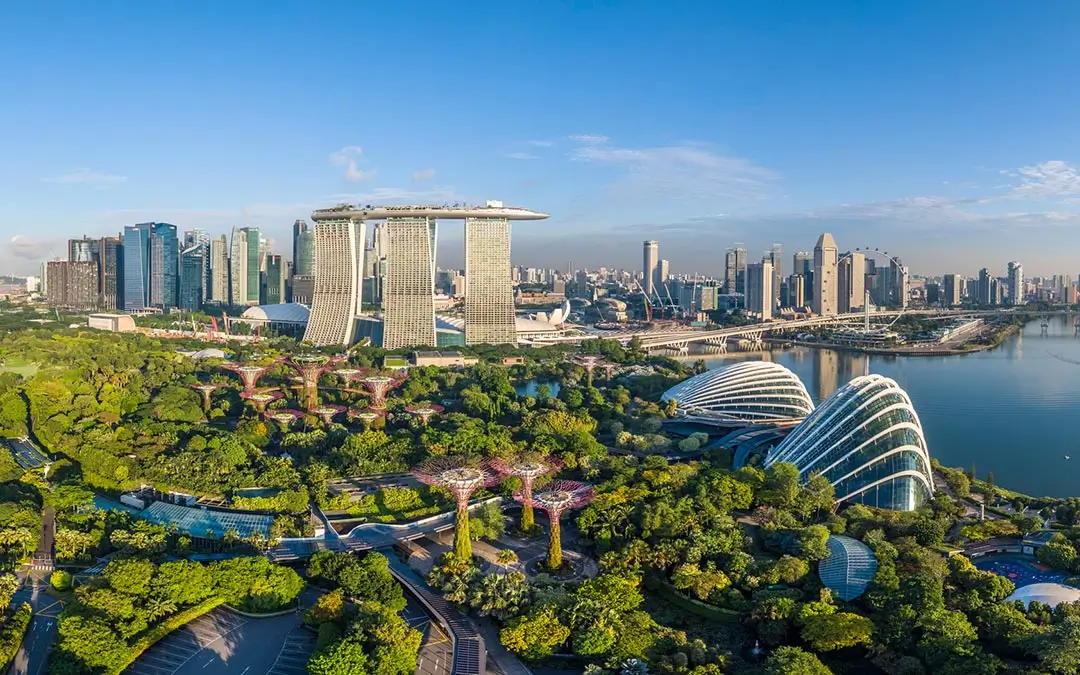
The island attracts people working in technology, finance, education and international trade. Its efficient public transport, quality healthcare make life easier, and access to popular Asian destinations make travelling seamless.
However, before planning your relocation, it is important to understand both the benefits and challenges of living there.
The pros and cons of living in Singapore
Singapore offers an excellent standard of living, but moving there also means adjusting to a different lifestyle and cost of living.
Pros
- Safety and security: It’s a safe place to live because of the strict laws and effective public services.
- Career opportunities: Its strong economy and position as a global business hub create opportunities in industries such as finance, technology, education, and international trade.
- Reliable public transport: An extensive public transport network of trains and bus routes makes it convenient to travel around the island without owning a car.
- Quality healthcare: Residents have access to well-developed healthcare facilities and services.
- Cultural diversity: Singapore’s multicultural population, international communities, and variety of cuisines can make settling in easier for expats.
- Travel opportunities: Its location in Southeast Asia makes it easy to visit destinations such as Bali, Bangkok and Kuala Lumpur.
Cons
- High cost of living: Housing, international school fees, transport and everyday expenses can be expensive.
- Smaller living spaces: Apartments and houses are often smaller than homes in South Africa.
- Expensive car ownership: To drive on the island you need a Certificate of Entitlement (COE), which gives the right to own a vehicle for a set period.
- Strict laws and regulations: Littering, smoking outside designated areas and other offences can result in fines.
- High population density: Busy public spaces, crowded transport during peak hours and road congestion can take some getting used to.
- Hot and humid weather: The tropical climate means warm temperatures and high humidity throughout the year.
Where should you live in Singapore?
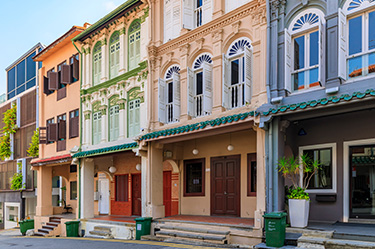
Choosing the right neighbourhood will depend on your budget, lifestyle, workplace, and family requirements. Here are some popular areas to consider:
- Holland Village (Central west): Located west of the city centre, this neighbourhood is popular with expats. It offers a relaxed atmosphere, international restaurants, shops and lively social spaces.
- Tanglin (Central west): Near the famous shopping strip Orchard Road and the Singapore Botanic Gardens, Tanglin is a leafy residential area with embassies, larger homes and low-rise apartments. It is a good option for families.
- Upper Bukit Timah (West): Located on the edge of the Bukit Timah Nature Reserve, some homes have jungle views and access to international schools, including Canadian International School.
- Woodlands (North): Close to the Malaysia-Singapore border, Woodlands offers family-friendly residential areas and green spaces. It is also convenient for people who travel regularly to Malaysia.
- Katong (East): Based along Singapore’s east coast, Katong is known for its Peranakan heritage, local restaurants, traditional shophouses and relaxed neighbourhood atmosphere.
- Sentosa (South): Just south of the main island, Sentosa is known for its coastal homes, marinas, golf courses and resort-style lifestyle. It is a premium residential option for those seeking ocean views and leisure activities.
Schools and universities
Families moving with children can consider international schools such as Tanglin Trust School, United World College of Southeast Asia (UWCSEA), Singapore American School, Canadian International School and Dulwich College Singapore.
For higher education, leading institutions include the National University of Singapore (NUS), Nanyang Technological University (NTU) and Singapore Management University (SMU). Check admission requirements, fees, curriculum options and availability before choosing a school or university.
What is the weather like?
Singapore has a tropical climate, so expect warm temperatures and high humidity throughout the year. Daytime temperatures generally reach 30–33°C, with regular rainfall and seasonal monsoon periods. Pack lightweight clothing, comfortable shoes, sunscreen and an umbrella. A light jacket is also useful for air-conditioned buildings and public transport.
Things to see and do
 Visit Science Centre Singapore – It welcomes kids and adults to embark on a journey that makes science fun to learn through hands-on programs like interactive exhibitions and other educational experiences.
- Explore Chinatown Food – For a taste of local culture, take a stroll and try local favourites such as chicken rice, laksa and satay.
- Attend Dragon Boat Festival – A festival that celebrates an ancient Chinese tradition that is practiced every year in late May or early June with colourful dragon designs, energetic races fueled by drumming, and eating traditional zongzi (sticky rice dumplings) held in Bedok Reservoir.
Choose the Right Relocation Partner
Moving to Singapore involves more than booking a flight and choosing an experienced relocation company can help with making your move seamless.
Planning your international move to Singapore? Let AGS Removals take care of all the logistical steps. Contact us for guidance on your relocation or request a free quote.