



AGS Movers Korea
 Manager: Samuel Kim
 +82 23337747
 Room 2101, 21st floor, 14, Mallijae-ro
Mapo-gu, Seoul, Republic of Korea.
SEOUL
Room 2101, 21st floor, 14, Mallijae-ro
Mapo-gu, Seoul, Republic of Korea.
SEOUL
Languages Spoken


AGS MOVERS SOUTH KOREA: EXPERT REMOVALS IN SEOUL, BUSAN & MORE
Looking for a trusted moving company in South Korea, serving major cities like Seoul, Busan, Incheon, Daegu, and beyond? AGS Movers South Korea is your dedicated partner for international removals, providing tailored moving and storage solutions for individuals and businesses nationwide. With us, you can count on a smooth, professional move, within South Korea or anywhere in the world.
Domestic & International Removals Solutions
AGS International Movers offers excellence to each of its clients.

International Moves

Domestic Moves

Office Moves

Secure Storage

Vehicle Transfer



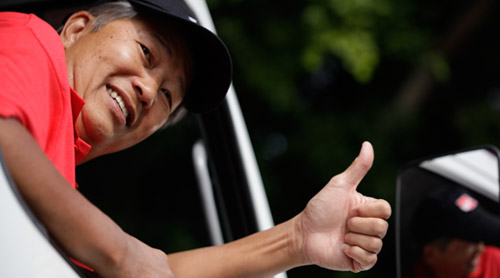
Established in 2008, AGS Movers South Korea brings over 18 years of experience to the moving industry.
Whether you are planning a local move or an international relocation, AGS South Korea, a proud branch of the AGS Group, is the professional moving company you can trust. As part of a global network with more than 140 locations worldwide, AGS Movers combines vast experience with efficient moving processes to deliver a seamless relocation experience.
At AGS Movers South Korea, we offer unmatched professionalism, world-class quality standards, and expertise in a wide range of services, including international removals, office moves, groupage, vehicle transport, fine art shipping, pet transport, secure storage facilities, and other moving services.
While our most popular destinations include France, the USA, and Germany, we have the capability to move you anywhere in the world!
Moving to cutting-edge Seoul, scenic Busan, modern Incheon, or fashion-forward Daegu?
AGS Movers is here to ensure a stress-free move to any of these popular destinations.
AGS South Korea Fast Facts
AGS Movers South Korea efficiently carries out around 400 local and international moves annually, assisted by their 5 trucks and robust warehouses measuring 300m2.
-
Landmarks
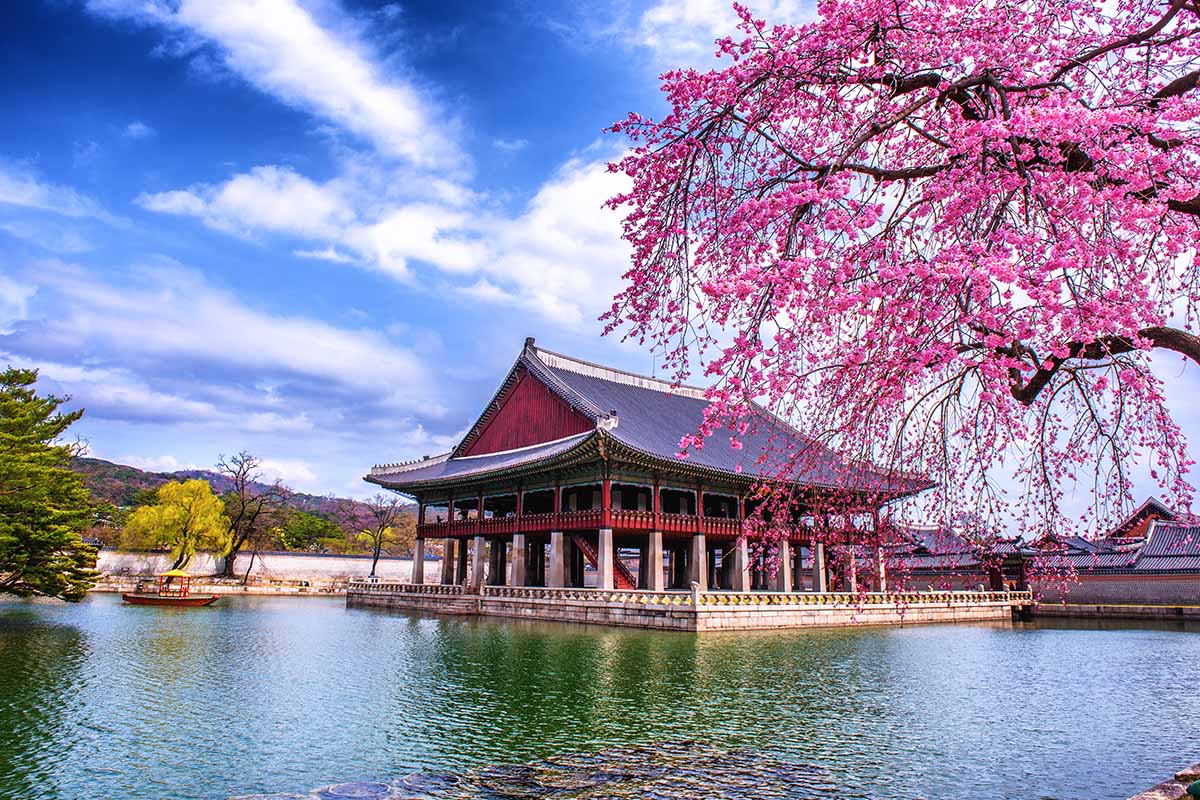
Gyeongbokgung Palace: A grand historic palace built during the Joseon Dynasty, showcasing stunning architecture, cultural heritage, and scenic palace gardens with beautiful pavilions and intricate carvings.
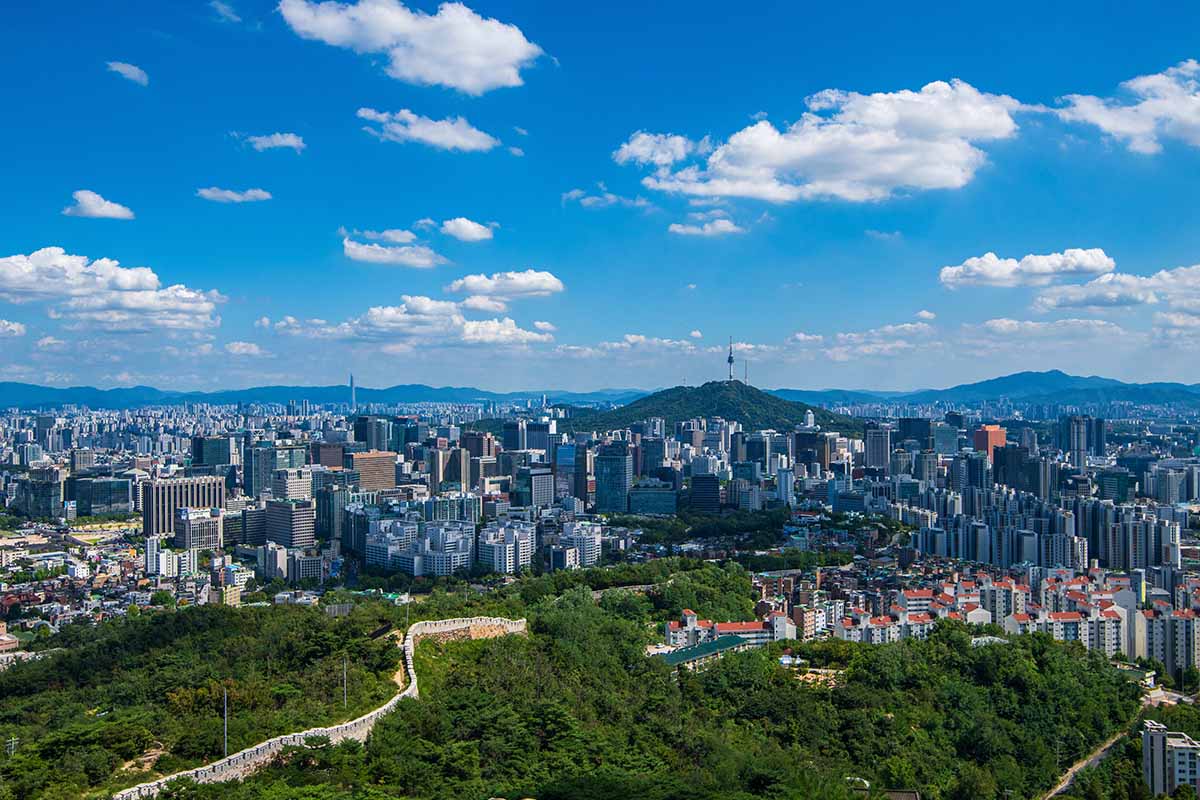
N Seoul Tower: A renowned landmark offering breathtaking panoramic views of the city skyline, surrounding mountains, and a popular love lock terrace attracting thousands of visitors daily.
Bukchon Hanok Village: A traditional village preserving Korean culture with charming hanok houses, narrow alleyways, and artisan workshops displaying traditional crafts and historical artifacts from past centuries.
Dongdaemun Design Plaza: A futuristic cultural hub featuring cutting-edge fashion, contemporary art, design exhibitions, and an innovative rooftop park with mesmerizing nighttime LED displays.
-
Education
Seoul National University: One of South Korea’s most prestigious institutions, recognized for academic excellence, innovative research, and globally ranked STEM programs, attracting international scholars and researchers worldwide.
Korea University: A top-ranking university offering diverse programs in law, business, and medicine, known for its rich academic traditions, global partnerships, and extensive alumni network in influential sectors.
-
Public Transport
Seoul Metro: A comprehensive subway system with an extensive network covering the entire metropolitan area efficiently, connecting business hubs, residential districts, and major tourist attractions seamlessly.
KTX Train: A high-speed rail service providing fast and convenient travel between major South Korean cities, reducing long-distance travel times significantly, and featuring modern, comfortable onboard facilities. The recent merge with SRT further expands the service while offering better prices.
Seoul Buses: A well-organized bus network ensuring accessible transportation across all districts of the capital, including express, night routes, and eco-friendly buses to support sustainable urban mobility.
-
Climate
Summer: Hot and humid (25–35°C / 77–95°F).
Winter: Cold with snowfall (-5–5°C / 23–41°F).
Rainfall: Monsoon season from June to August.
-
Landmarks
Haedong Yonggungsa: A stunning Buddhist temple perched on the coast, offering breathtaking ocean views, peaceful surroundings, and spiritual significance, attracting worshippers and tourists for centuries.
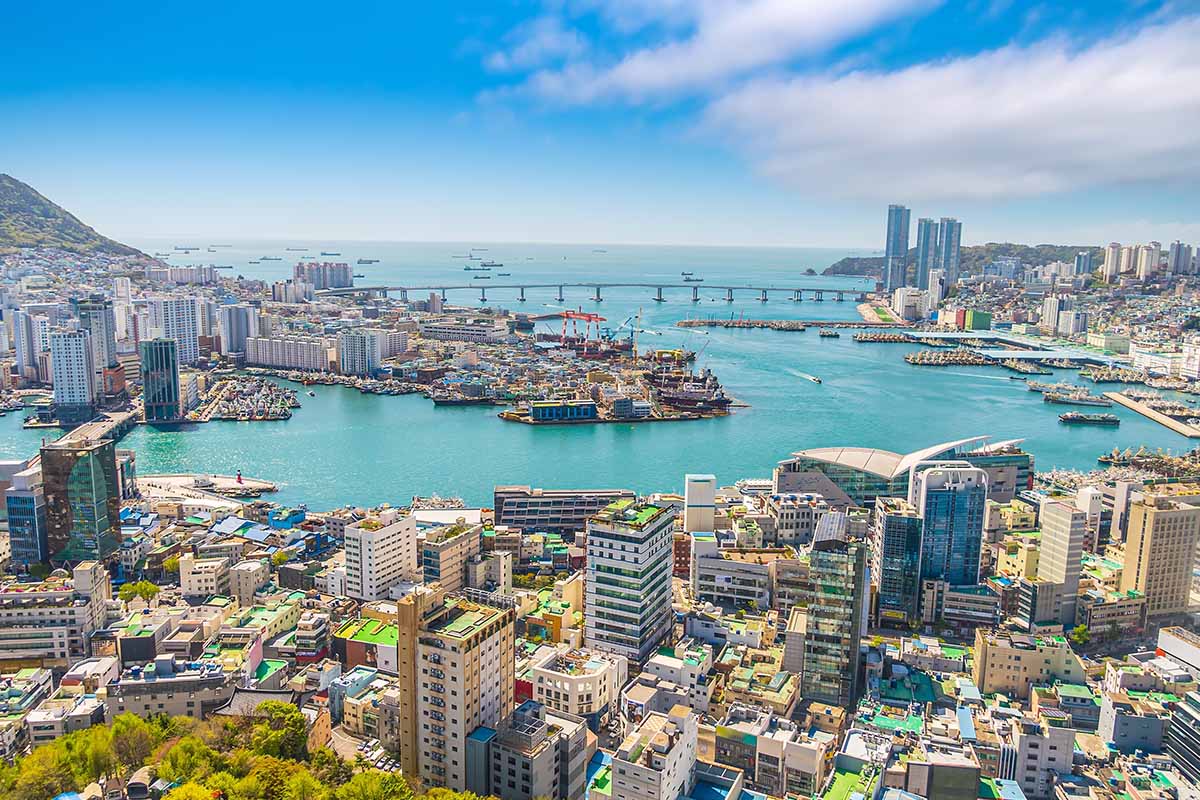
Haeundae Beach: A famous sandy beach with vibrant nightlife, luxurious hotels, water sports, cultural festivals, and scenic coastal trails offering relaxing seaside strolls with spectacular sunset views.
Jagalchi Fish Market: South Korea’s largest seafood market, where visitors can experience fresh seafood, traditional cuisine, lively auction scenes, and unique local delicacies prepared by expert chefs.
Busan Tower: An observation tower providing spectacular views of the city’s bustling ports, picturesque coastline, and an illuminated night-time skyline, featuring an exhibition on Busan’s maritime history.
-
Education
Pusan National University: A leading institution in Busan offering high-quality education across various disciplines, including engineering, business, liberal arts, and a cutting-edge medical research center.
Dong-A University: A respected university known for its innovative research, medical programs, commitment to academic excellence, and international collaborations fostering cross-cultural knowledge exchange opportunities.
-
Public Transport
Busan Metro: A reliable subway system offering smooth transportation to major districts, coastal areas, and key business and entertainment zones, ensuring efficient travel for commuters and tourists.
KTX Train: A high-speed railway linking Busan to other major cities, providing rapid, comfortable, and time-efficient travel across the country, with dedicated seating for business and leisure travelers.
Busan Buses: A comprehensive transportation network serving the metropolitan area and nearby tourist attractions, including express, intercity routes, and smart transit options integrating digital payment systems.
-
Climate
Summer: Warm and humid (24–32°C / 75–90°F).
Winter: Mild and breezy (0–10°C / 32–50°F).
Rainfall: Significant rainfall during the monsoon season.
-
Landmarks
Songdo Central Park: A beautifully designed urban park with scenic waterways, green spaces, modern architecture, and a water taxi system.
Chinatown Incheon: A lively district showcasing Chinese-Korean heritage, famous for authentic cuisine, traditional street decorations, and cultural performances.
Incheon Grand Bridge: A massive bridge linking the city to Yeongjong Island, offering scenic views of the Yellow Sea and a key transportation link.
Wolmido Island: popular seaside attraction featuring amusement parks, fresh seafood restaurants, waterfront views, and a coastal walking path.
-
Education
Inha University: A prestigious institution known for engineering, aviation, and cutting-edge technology research, fostering innovation and global competitiveness.
University of Incheon: A rapidly growing university fostering global partnerships, academic excellence, and strong research programs in diverse disciplines.
-
Public Transport
Incheon Metro: An efficient subway system seamlessly connected to Seoul and key business districts, ensuring easy daily commutes for residents.
AREX: A high-speed express train linking Incheon International Airport to major cities, including Seoul, reducing travel times significantly.
Incheon Buses: Extensive city and intercity bus routes ensuring smooth connectivity for commuters, tourists, and airport travellers across the region.
-
Climate
Summer: Hot and humid (25–34°C / 77–93°F).
Winter: Cold with occasional snow (-5–5°C / 23–41°F).
Rainfall: Monsoon season from June to August.
-
Landmarks
Apsan Park: A serene natural park offering scenic hiking trails, breathtaking city views, and cable car rides for an elevated experience.
Donghwasa Temple: A historic Buddhist temple featuring a massive Buddha statue, tranquil forest surroundings, and significant religious festivals.
Daegu Tower: A remarkable observation tower providing sweeping views of the entire metropolitan area, complete with restaurants and viewing decks.
Seomun Market: One of South Korea’s oldest traditional markets, famous for street food, local handicrafts, and a vibrant shopping atmosphere.
-
Education
Kyungpook National University: A top-ranked institution offering a variety of programs in science, medicine, and technology, with a strong research focus.
Yeungnam University: A prominent private university specializing in business, engineering, global studies, and fostering international student exchange programs.
-
Public Transport
Daegu Metro: A modern subway system providing efficient travel within the city, connecting business hubs, shopping districts, and residential areas.
KTX Train: A fast railway service connecting Daegu with Seoul, Busan, and other major urban centers, ensuring convenient intercity travel.
Daegu Buses: An extensive public bus network ensuring convenient transportation for residents, including late-night and express routes.
-
Climate
Summer: Hot and dry (28–38°C / 82–100°F).
Winter: Cold with light snowfall (-3–5°C / 27–41°F).
Rainfall: Moderate rainfall, mostly in summer.
-
Landmarks
Expo Science Park: A renowned exhibition space highlighting advanced scientific research, hands-on activities, and technological innovations for visitors.
Hanbat Arboretum: A picturesque botanical garden featuring diverse plant species, peaceful walking trails, and seasonal flower exhibitions.
Daejeon Skyroad: A lively shopping and entertainment street, filled with modern attractions, cultural spaces, and interactive digital billboards.
Yuseong Hot Springs: A popular natural hot spring destination known for its therapeutic, mineral-rich waters and nearby wellness resorts.
-
Education
KAIST: Korea’s top scientific university, renowned worldwide for groundbreaking research in STEM fields, fostering innovation and entrepreneurship.
Chungnam National University: A prestigious university offering various academic programs, research opportunities, and strong industry collaborations.
-
Public Transport
Daejeon Metro: A convenient and reliable subway system covering key business, commercial, and residential districts across the city.
KTX Train: A high-speed rail service offering quick access to Seoul, Busan, and other key locations, ensuring fast commutes.
Daejeon Buses: A structured bus network making travel within the city seamless, with smart card payment systems for ease of use.
-
Climate
Summer: Hot and humid (25–34°C / 77–93°F).
Winter: Cold with occasional snowfall (-5–5°C / 23–41°F).
Rainfall: Monsoon season from June to August.
-
Landmarks
Mudeungsan National Park: A breathtaking mountain range with scenic hiking trails, lush greenery, cultural temples, and panoramic city views.
Gwangju Art Street: A vibrant cultural hub filled with contemporary galleries, street performances, creative studios, and independent artisan shops.
Asia Culture Center: A major cultural complex showcasing international arts, multimedia exhibitions, theaters, and interactive learning spaces.
May 18th National Cemetery: A historic site commemorating the democracy movement, honoring fallen activists with monuments and memorial halls.
-
Education
Chonnam National University: A leading university in Gwangju offering strong academic programs, advanced research facilities, and international exchange opportunities.
GIST: (Gwangju Institute of Science and Technology) A premier research institution specializing in engineering, science, and cutting-edge technology innovation.
-
Public Transport
Gwangju Metro: A modern subway system providing efficient public transportation with easy access to key districts and commercial areas.
KTX Train: A high-speed rail service connecting Gwangju to major cities like Seoul and Busan within a few hours.
Gwangju Buses: An extensive bus network covering local neighborhoods and regional destinations, ensuring seamless connectivity.
-
Climate
Summer: Warm and humid (24–33°C / 75–91°F).
Winter: Mild and dry (-3–6°C / 27–43°F).
Rainfall: Heavy rainfall during monsoon season.
Frequently Asked Questions
Our moving services cater to several major cities across South Korea, including Seoul, Busan, Incheon, Daegu, Daejeon, Gwangju and more. Below are some frequently asked questions that can help you plan your move efficiently.
How far in advance should I book my move to South Korea?
Do you offer packing and unpacking moving services in South Korea?
Do you provide storage solutions in South Korea?
Can you move large and fragile objects, such as pianos or antiques?
How can I get my house ready for the moving company?
Are there any items that cannot be moved?
How do you ensure the safety of my belongings during the move?
Can you assist with the setup of my new home in South Korea?
How do you handle parking and access issues?
What happens if my belongings are damaged during the move?
At AGS Movers, we prioritise customer satisfaction and ensure that every aspect of your move, from departure to arrival, meets the highest standards of quality and professionalism.
5 steps to move abroad

First Contact

Home Inspection & Quotation

Packing & Goods removal

Transport
Unpacking & House arrangement
AGS Movers Korea at a glance
CERTIFICATION AND AFFILIATION
For over 50 years, the AGS Group has set strict quality procedures for its international network, which are upheld by AGS South Korea. These practices are based on general quality standards as well as those established by the most prestigious certification bodies in the removals industry.
These consistent quality standards ensure that whether you are moving to or from South Korea, the AGS Group is committed to providing you with the best in removal and storage services available.

Latest News in Korea