


AGS Movers Guinea – Conakry
 Manager: Baptiste Fouillet
 +224 622 35 72 73
 Rond point Tannerie
derrière la mairie de Matoto
Conakry
Rond point Tannerie
derrière la mairie de Matoto
Conakry
Languages Spoken


Ags movers guinea: expert removals in conakry, kankan & more
Looking for a trusted moving company in Guinea – Conakry, serving major cities like Conakry, Kankan, Nzérékoré, Labé, and beyond? AGS Movers Guinea – Conakry is your dedicated partner for international removals, providing tailored moving and storage solutions for individuals and businesses nationwide. With us, you can count on a smooth, professional move, within Guinea – Conakry or anywhere in the world.
Domestic & International Removals Solutions
AGS International Movers offers excellence to each of its clients.

International Moves

Domestic Moves

Office Moves

Secure Storage

Vehicle Transfer


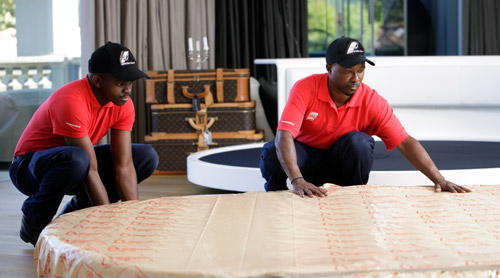
Established in 1996, AGS Movers Guinea – Conakry brings over 30 years of experience to the moving industry.
Whether you’re planning a local move or an international relocation, AGS Guinea – Conakry, a proud branch of the AGS Group, is the professional moving company you can trust. As part of a global network with more than 140 locations worldwide, AGS Movers Guinea – Conakry combines vast experience with efficient moving processes to deliver a seamless relocation experience.
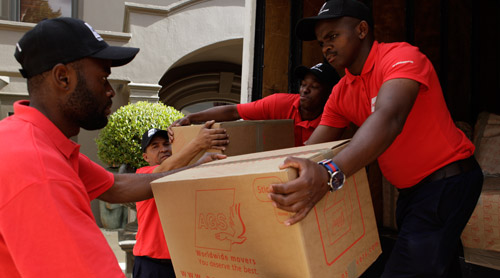
At AGS Movers Guinea – Conakry, we offer unmatched professionalism, world-class quality standards, and expertise in a wide range of services, including international removals, office moves, groupage, vehicle transport, fine art shipping, pet transport, secure storage facilities, and other moving services.
While our most popular destinations include the US, Ivory Coast, and Senegal, we have the capability to move you anywhere in the world!
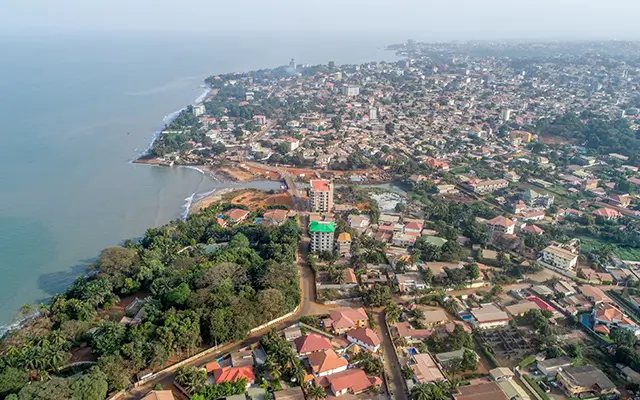
Moving to vibrant Conakry, historic Kankan, forested Nzérékoré,
or scenic Labé?
or scenic Labé?
AGS Movers is here to ensure a stress-free move to any of these popular destinations.
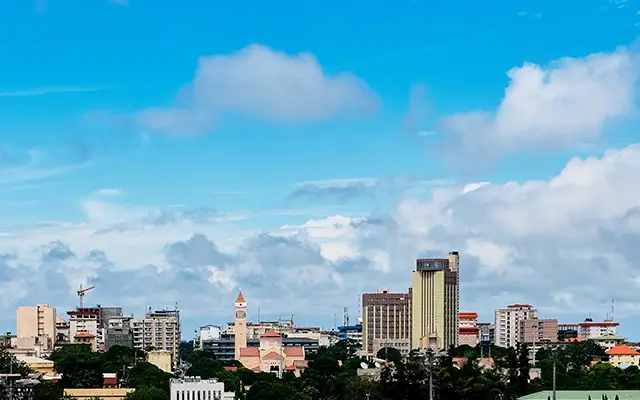
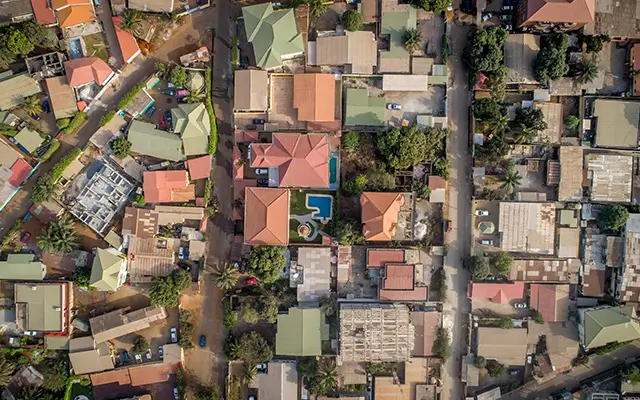
AGS Guinea – Conakry Fast Facts
AGS Movers Guinea successfully carries out approximately 200 local and international moves annually, assisted by their 5 trucks and robust warehouses measuring 1240m2.
-
Landmarks
Grand Mosque of Conakry: An architectural marvel and important Islamic worship site, offering spiritual solace and cultural significance.
Palais du Peuple: A prominent government building and cultural centre, hosting national events and artistic performances.
Cathédrale Sainte Marie: A historic Catholic cathedral known for its colonial architecture, standing as a spiritual landmark.
National Museum of Guinea: Showcases Guinean art, traditional artefacts, and historical exhibits, preserving the nation’s rich cultural heritage.
-
Education
Gamal Abdel Nasser University of Conakry: The country’s oldest and largest public university, offering diverse academic programs and contributing significantly to higher education.
Institut Supérieur des Mines et Géologie de Boké (ISMG): A specialised institution focusing on mining and geology, crucial for Guinea’s resource sector development.
Higher Institute of Sciences and Veterinary Medicine of Dalaba: A leading institution for veterinary sciences, contributing to animal health and agricultural development.
Koffi Annan University of Guinea: A private university providing a wide range of academic offerings, focusing on holistic education and community development.
-
Public Transport
Taxis: Widely available for convenient travel throughout the city, with fares usually negotiated before departure.
Tuk-tuks/Kébéké: Affordable three-wheelers, ideal for navigating congested streets.
Buses: A developing network connecting parts of the city at affordable rates.
Ferries: Connects the mainland to the Îles de Loos, essential for island residents and popular with tourists.
-
Climate
Summer: Hot and wet (25-30°C / 77-86°F) with very high humidity and frequent, heavy rainfall during the intense rainy season.
Winter: Warm and dry (20-28°C / 68-82°F), with clear skies and more comfortable conditions.
Rainfall: Tropical monsoon climate with a prolonged and heavy wet season from May to November.
-
Landmarks
Grand Mosquée de Kankan: A major mosque, serving as a central place of worship and a prominent city landmark.
Kankan Market: A vibrant and bustling central market, offering a wide array of local goods, fresh produce, and traditional crafts.
Université Julius Nyerere de Kankan: A key educational institution contributing to higher learning and research in the region’s development.
Kankan Airport: Provides domestic and regional air travel, connecting the city to other areas.
-
Education
Université Julius Nyerere de Kankan: A prominent public university offering various academic programs, significantly contributing to higher education and research locally.
Institut Supérieur de Formation à Distance (ISFAD): A leading institute for distance learning, providing flexible education opportunities across various disciplines.
École Normale Supérieure de Kankan: A respected pedagogical institute, recognised for its excellence in teacher training and shaping future educators.
Centre de Recherche et de Documentation Scientifique (CRDS): A significant research centre supporting scientific studies and documentation, fostering academic advancements.
-
Public Transport
Taxis: Readily available, offering convenient and direct transportation within Kankan and for connecting to nearby towns.
Motorbike Taxis (Zemidjans): A popular and efficient mode of transport for short distances, offering quick navigation through city traffic.
Buses: Local bus services provide transportation options, connecting different neighbourhoods and parts of the city at affordable rates.
Shared Minibuses: A popular, cost-effective and flexible option for communal travel.
-
Climate
Summer: Hot and humid (28-35°C / 82-95°F) with abundant rainfall during the wet season, influencing road conditions and daily life.
Winter: Warm and dry (20-30°C / 68-86°F), with cooler evenings and pleasant conditions.
Rainfall: Kankan experiences a tropical savanna climate with a distinct wet season from May to October, and a long dry season.
-
Landmarks
Nzérékoré Market: A vibrant central market serving as a major commercial hub for the city and surrounding forest region.
Musée Régional de Nzérékoré: A cultural institution preserving and exhibiting the rich history, art, and traditions of the Forest Region.
Cathédrale de Nzérékoré: A significant religious landmark with impressive architecture, serving as a spiritual centre for the community.
Nzérékoré Airport: An essential transportation hub facilitating domestic air travel, connecting the city to other parts of Guinea.
-
Education
Université de Nzérékoré: A public university offering various academic disciplines, playing a vital role in higher education development in the region.
Institut Supérieur des Sciences et Médecine Vétérinaire de Faranah: A leading institution for veterinary sciences, crucial for regional agriculture and animal health.
École Normale des Instituteurs (ENI) de Nzérékoré: An essential institution for training teachers, ensuring a supply of qualified educators for local schools.
Centre de Recherche Scientifique de Nzérékoré: A specialised research centre focusing on local environmental and agricultural studies, vital for regional development.
-
Public Transport
Taxis: Offers flexible and convenient transportation throughout the city of Nzérékoré.
Motorbike Taxis (Zemidjans): Popular for quick trips and navigating shorter distances efficiently within the urban area.
Buses: Local bus services connect different parts of Nzérékoré, providing an accessible and affordable public transport option.
Shared Vehicles: Informal shared taxis or vans often operate for travel between Nzérékoré and larger cities like Kankan.
-
Climate
Summer: Hot and wet (24-29°C / 75-84°F) with heavy rainfall and high humidity during the rainy season.
Winter: Mild and dry (16-27°C / 61-81°F), characterised by clear skies and cooler temperatures, typical of the dry season.
Rainfall: Nzérékoré experiences a tropical monsoon climate with a pronounced wet season from March to November, and a dry season.
-
Landmarks
Mount Loura (Dame de Mali): A majestic mountain peak offering scenic views and a popular hiking destination, important for regional tourism.
Labé Central Market: A bustling central market, offering fresh produce and goods.
Fouta Djallon Highlands: A vast highland region offering stunning landscapes, waterfalls, and rich cultural heritage.
Labé Airport: An essential transportation hub facilitating domestic air travel, connecting the city to other parts of Guinea.
-
Education
Université de Labé: A growing university offering various academic programs, contributing to higher education and research in the region.
Institut Supérieur des Sciences de l’Éducation de Labé: A key institution for teacher training, preparing educators for primary and secondary schools.
Institut de Recherche Agronomique de Foulaya (IRAG): An important agricultural research institute, focusing on crop improvement and sustainable farming practices.
Collège Moderne de Labé: A well-regarded secondary school, known for its academic standards and contributing to the educational landscape of Labé.
-
Public Transport
Taxis: Offering convenient and direct transportation within the city and surrounding areas.
Motorbike Taxis (Zemidjans): Common for quick and flexible short-distance travel around Labé.
Buses: Local bus services provide connectivity within Labé, offering an affordable option for residents.
Shared Minibuses (Magbanas): Popular for inter-city travel, connecting Labé to other towns and cities throughout the Fouta Djallon region.
-
Climate
Summer: Hot and humid (26-31°C / 79-88°F) with significant rainfall during the wet season, typical of a tropical climate.
Winter: Warm and dry (18-28°C / 64-82°F) with less humidity and cooler evenings, characteristic of the dry season.
Rainfall: Labé experiences a tropical savanna climate with a distinct wet season from April to October and a dry season.
-
Landmarks
Chutes de la Voile de la Mariée: A picturesque waterfall offering scenic views and recreational opportunities, popular for relaxation and outdoor enjoyment.
Mount Gangan: A prominent mountain peak with plenty of hiking trails and panoramic views of the surrounding landscape, ideal for adventurers.
Kindia Market: A vibrant central market where locals engage in commerce, offering a variety of fresh produce and goods.
Kindia Botanical Garden: A tranquil green space showcasing diverse plant species, providing a peaceful escape for nature lovers.
-
Education
Université de Kindia: A public university offering various academic disciplines, playing a vital role in higher education development in the region.
Institut Supérieur Agronomique et Vétérinaire de Faranah (ISAV): A prominent institution for agricultural and veterinary sciences, crucial for regional food security.
École Nationale des Arts et Métiers (ENAM) de Kindia: A specialised institute for arts and crafts, fostering vocational skills and cultural preservation.
Centre de Recherche Scientifique de Kindia (CRSK): A significant research centre supporting scientific studies in agriculture and natural resources.
-
Public Transport
Taxis: Available for general transport within Kindia and for connecting to nearby towns, offering convenient travel.
Motorbike Taxis (Zemidjans): A very common and flexible mode of transport for navigating the town and surrounding areas quickly.
Tro-tros (Shared Minibuses): Widely used for communal travel, offering a cost-effective and flexible option for residents.
Buses: Local bus services provide transportation within Kindia, offering an affordable option for residents and commuters.
-
Climate
Summer: Hot and wet (25-30°C / 77-86°F) with heavy rainfall during the rainy season, impacting road conditions and daily activities.
Winter: Mild and dry (15-25°C / 59-77°F), characterised by cooler temperatures and less humidity, providing pleasant weather.
Rainfall: Kindia experiences a tropical savanna climate with a distinct wet season from May to November, and a dry season.
-
Landmarks
Port de Boké: A crucial port for bauxite export, serving as a significant economic hub for the region and nation.
Boké Market: A bustling market serving the daily needs of the community, offering a variety of local goods and produce.
Musée Régional de Boké: A cultural institution preserving and exhibiting the rich history, art, and traditions of the Boké region.
Boké Airport: A local airfield facilitating air travel and logistical operations in the region, connecting to other areas.
-
Education
Institut Supérieur des Mines et Géologie de Boké (ISMGB): A specialized institute focusing on mining and geology, crucial for Guinea’s resource extraction industry.
Université de Boké: A growing university offering various academic programs, contributing to higher education and regional development.
École Nationale des Sciences Géologiques (ENSG): An institution for geological sciences, vital for understanding and developing Guinea’s mineral wealth.
Centre de Formation Professionnelle de Boké: Avocational training centre, offering skills development for local employment opportunities, particularly in mining.
-
Public Transport
Taxis: Offering convenient local travel options.
Motorbike Taxis (Zemidjans): Widely used for short distances, offering quick and flexible rides.
Buses: Local bus services provide transportation within Boké, offering an affordable option for residents and commuters.
Company Transport: Mining companies often provide organised transport for their employees, facilitating commutes to and from work.
-
Climate
Summer: Hot and wet (26-31°C / 79-88°F) with heavy rainfall during the wet season, influencing local conditions and transportation.
Winter: Mild and dry (16-27°C / 61-81°F) with cooler evenings and less humidity, offering more pleasant weather.
Rainfall: Boké experiences a tropical savanna climate with a distinct wet season from May to November, and a dry season.
-
Landmarks
Mamou Central Market: A bustling central market providing a wide array of goods, fresh produce, and essential daily necessities.
Mamou Regional Hospital: A key healthcare facility serving the local population, providing medical services and emergency care.
Fouta Djallon Foothills: The surrounding foothills offer scenic beauty and agricultural land, important for local farming communities.
Mamou Mosque: A religious landmark, serving as a central place of worship for the Muslim community.
-
Education
Institut Supérieur des Sciences de la Santé (ISSS): A leading institution for health sciences, training medical professionals for Guinea’s healthcare sector.
École Nationale des Cadres Ruraux (ENCR): Focused on rural development training, agriculture, and community leadership.
Mamou Teacher Training College: A respected pedagogical college, essential for preparing qualified teachers for schools in the region.
Centre de Formation Professionnelle de Mamou: A vocational training centre, offering skills development for various trades and local employment opportunities.
-
Public Transport
Taxis: Offering convenient and direct transportation within Mamou and to nearby villages.
Motorbike Taxis (Zemidjans): A common and efficient mode of transport for short distances, providing quick navigation through town.
Tro-tros (Shared Minibuses): Widely used for communal travel, offering a cost-effective and flexible option for residents.
Buses: Regional bus services connect Mamou to other major cities, facilitating intercity travel for residents and traders.
-
Climate
Summer: Hot and humid (25-30°C / 77-86°F) with significant rainfall during the wet season, impacting local infrastructure and movement.
Winter: Mild and dry (16-27°C / 61-81°F), characterised by cooler evenings and less humidity, offering more comfortable weather.
Rainfall: Mamou experiences a tropical savanna climate with a distinct wet season from April to October, and a long dry season.
Frequently Asked Questions
Our moving services cater to several major cities across Guinea – Conakry, including Conakry, Kankan, Nzérékoré, Labé, and Kindia. Below are some frequently asked questions that can help you plan your move efficiently.
How far in advance should I book my move to Guinea–Conakry?
Do you offer packing and unpacking moving services in Guinea–Conakry?
Do you provide storage solutions in Guinea–Conakry?
Can you move large and fragile objects, such as pianos or antiques?
How can I get my house ready for the moving company?
Are there any items that cannot be moved?
How do you ensure the safety of my belongings during the move?
Can you assist with the setup of my new home in Guinea–Conakry?
What happens if my belongings are damaged during the move?
How do you handle parking and access issues?
At AGS Movers, we prioritise customer satisfaction and ensure that every aspect of your move, from departure to arrival, meets the highest standards of quality and professionalism.
5 steps to move abroad

First Contact

Home Inspection & Quotation
Packing & Goods removal

Transport
Unpacking & House arrangement
AGS Movers Guinea – Conakry at a glance
Certification and Affiliation
For over 50 years, the AGS Group has set strict quality procedures for its international network, which are upheld by AGS Guinea – Conakry. These practices are based on general quality standards as well as those established by the most prestigious certification bodies in the removals industry.
These consistent quality standards ensure that whether you are moving to or from Guinea–Conakry, the AGS Group is committed to providing you with the best in removal and storage services.

Customer reviews on Google


★★★★★

A significant improvement with a dynamic manager. The move from Conakry to Mayotte was seamless, reasonably priced, and completed within two months. The packing was almost too meticulous.

Philippe Leclere
8 years ago