



AGS Movers Egypt
 Manager: Renaud Bidault
 +20 103 232 7724
 Section A, Piece 54 - Block (R), - 6th division Building 54
9th floor - Apt 91 - Zahraa el Maadi
Cairo
Section A, Piece 54 - Block (R), - 6th division Building 54
9th floor - Apt 91 - Zahraa el Maadi
Cairo
Languages Spoken


AGS MOVERS EGYPT: EXPERT REMOVALS
IN CAIRO, GIZA & MORE
Looking for a trusted moving company in Egypt, serving major cities like Cairo, Giza, Alexandria, Luxor, and beyond? AGS Movers Egypt is your dedicated partner for international removals, providing tailored moving and storage solutions for individuals and businesses nationwide. With us, you can count on a smooth, professional move, within Egypt or anywhere in the world.
Domestic & International Removals Solutions
AGS International Movers offers excellence to each of its clients.

International Moves

Domestic Moves

Office Moves

Secure Storage

Vehicle Transfer


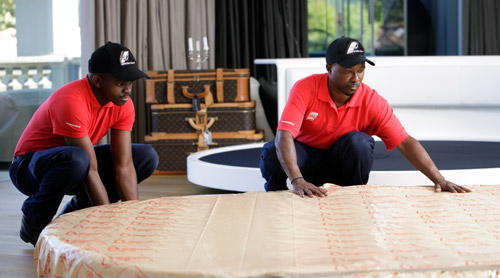
Established in 1998, AGS Movers Egypt brings over 28 years of experience to the moving industry.
Whether you’re planning a local move or an international relocation, AGS Egypt, a proud branch of the AGS Group, is the professional moving company you can trust. As part of a global network with more than 140 locations worldwide, AGS Movers combines vast experience with efficient moving processes to deliver a seamless relocation experience.
At AGS Movers Egypt, we offer unmatched professionalism, world-class quality standards, and expertise in a wide range of services, including international removals, office moves, groupage, vehicle transport, fine art shipping, pet transport, secure storage facilities, and other moving services.
While our most popular destinations include the USA, the EU, and Asia, we have the capability to move you anywhere in the world!
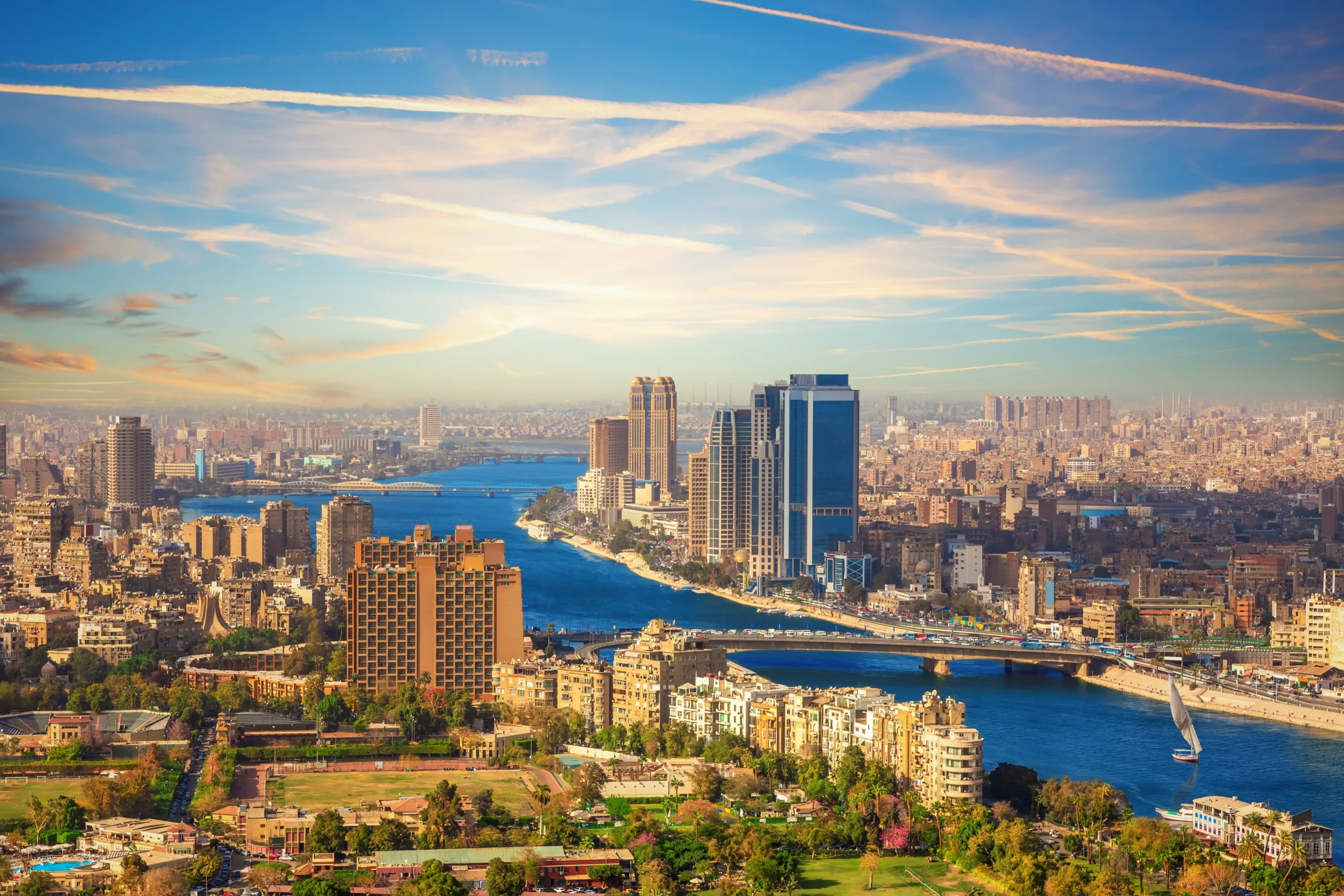
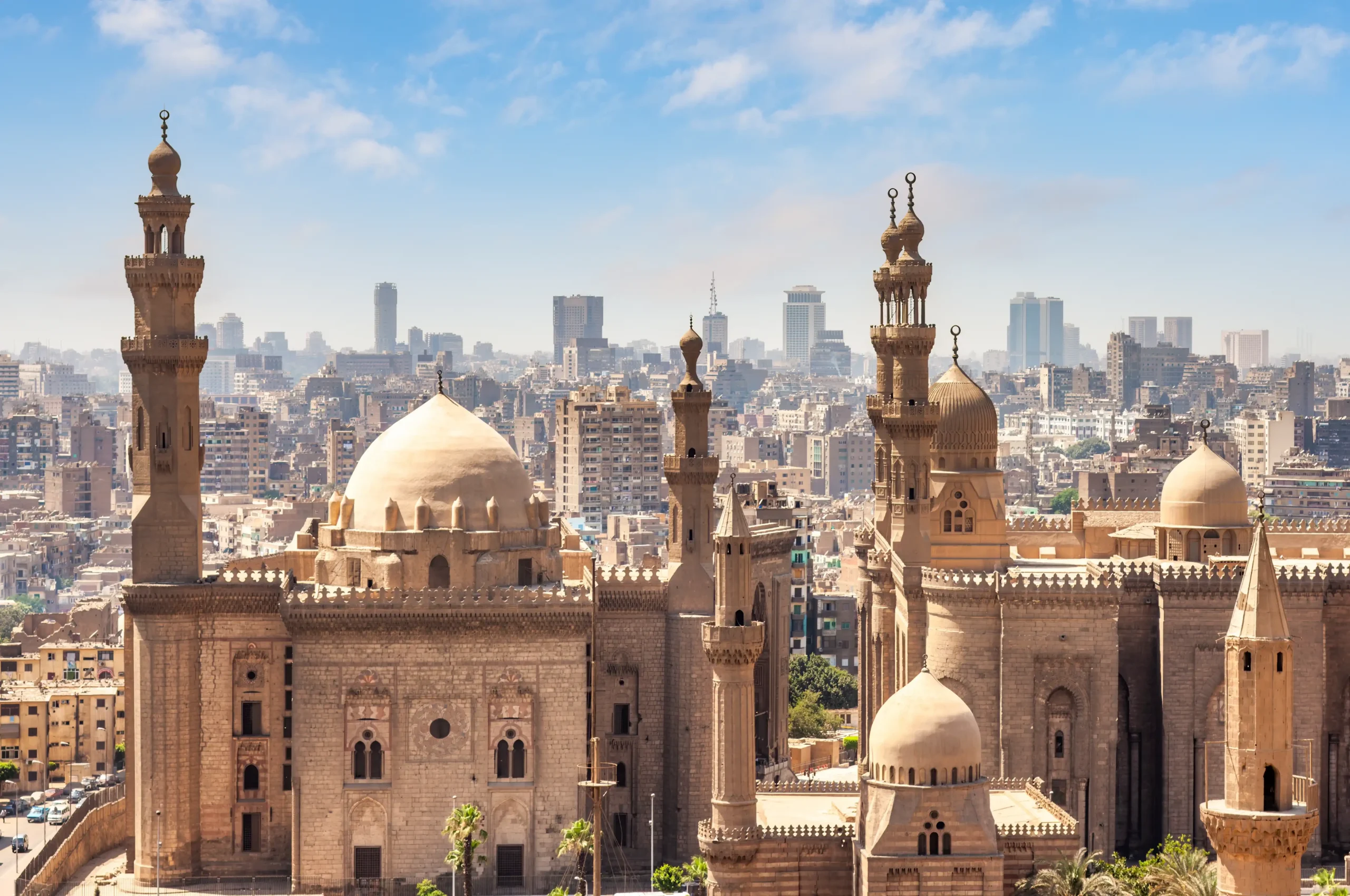
Moving to Ancient Cairo, Monumental Giza, Coastal Alexandria,
or Timeless Luxor?
or Timeless Luxor?
AGS Movers is here to ensure a stress-free move to any of these popular destinations.
AGS Egypt Fast Facts
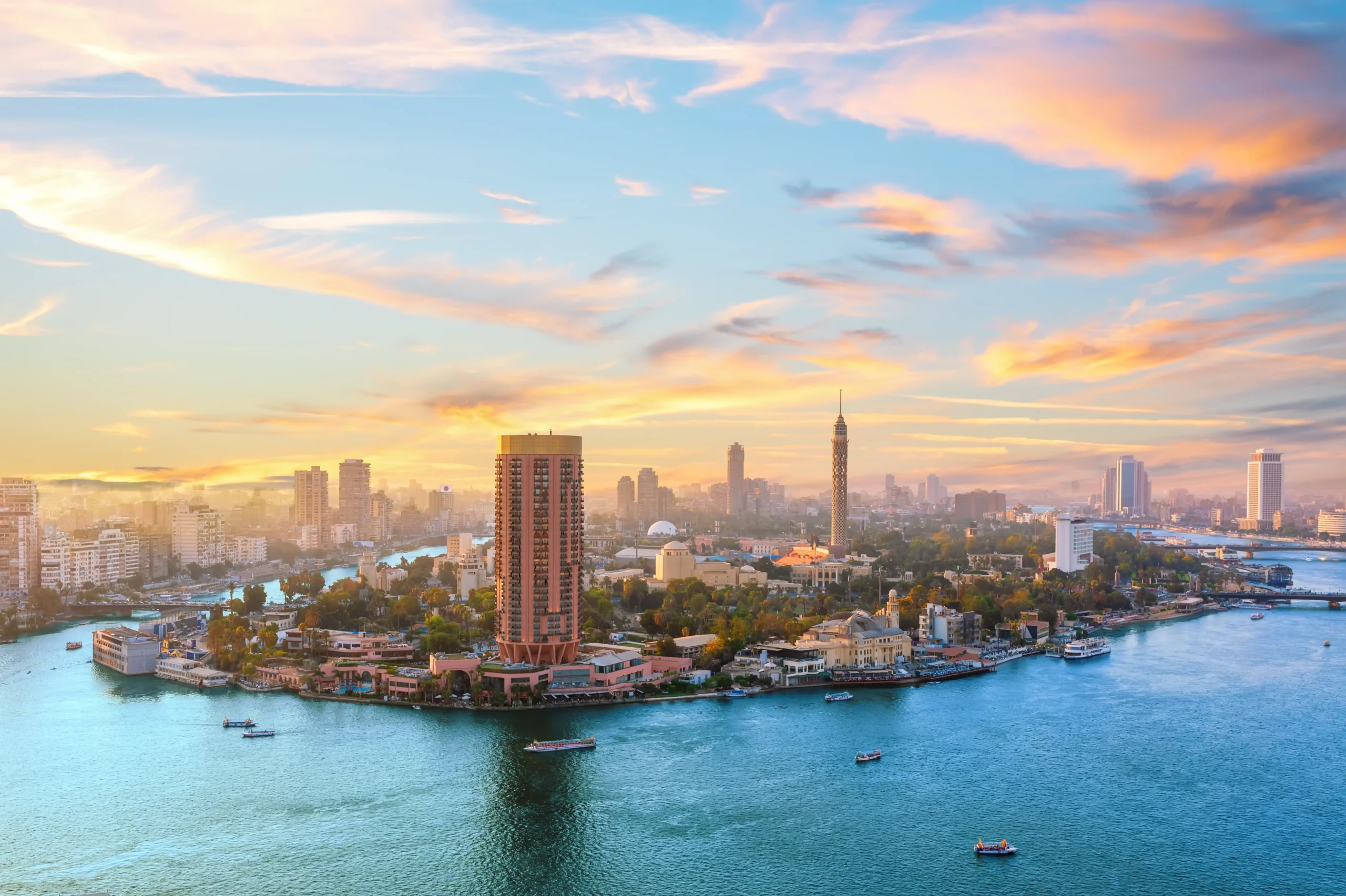
AGS Movers Egypt efficiently carries out around 600 local and international moves annually, assisted by their 3 trucks and robust warehouses measuring 1200m2.
-
Landmarks
Pyramids of Giza: Ancient wonders attracting millions, representing Egypt’s rich history and architectural ingenuity.
Khan el-Khalili: A historic market offering spices, crafts, and souvenirs, reflecting Cairo’s vibrant culture.
Egyptian Museum: Home to an extensive collection of ancient Egyptian artefacts, including Tutankhamun’s treasures, offering historical insights.
Citadel of Salah al-Din: A medieval Islamic fortress with mosques and palaces, offering panoramic views of Cairo.
-
Education
Cairo University: A prestigious public university offering diverse academic programmes.
American University in Cairo (AUC): A leading English-language university offering liberal arts education, fostering critical thinking and leadership.
Ain Shams University: Renowned for medicine and engineering.
Al-Azhar University: A historic centre of Islamic learning, offering religious and secular studies, revered globally for its scholarship.
-
Public Transport
Cairo Metro: An efficient and affordable underground system
Taxis: Widely available, convenient point-to-point travel, with metered or negotiated fares.
Buses: An economical and extensive network of public buses.
Minibuses: Common and economical way to travel along fixed routes, but often crowded.
-
Climate
Summer: Hot and dry (30-40°C / 86-104°F) with intense sun, low humidity, making it very warm for outdoor activities.
Winter: Mild and dry (10-20°C / 50-68°F) with cooler evenings, minimal rainfall, offering pleasant conditions for exploration.
Rainfall: Cairo experiences very little rainfall, predominantly during the cooler winter months, contributing to its arid climate.
-
Landmarks
Great Sphinx of Giza: An iconic limestone statue with a lion’s body and a human head, guarding the Giza pyramids.
Saqqara Necropolis: An ancient burial ground featuring the Step Pyramid of Djoser, showcasing early monumental stone architecture.
Giza Plateau: Home to the Great Pyramids and Sphinx, a UNESCO World Heritage site, attracting tourists globally.
Grand Egyptian Museum (GEM): A new, state-of-the-art museum designed to house Egypt’s most precious artefacts, including Tutankhamun’s collection.
-
Education
Giza University: A growing institution offering various academic programmes, playing a vital role in local higher education development.
Higher Institute of Technology: Provides specialised technical education, preparing students for careers in engineering and applied sciences.
Pharos University in Alexandria (Giza Campus): Offers diverse academic programmes, contributing to higher education development in the community.
Modern Sciences and Arts University (MSA): A private university known for its programmes in engineering, computer science, and mass communication.
-
Public Transport
Taxis: Widely available for convenient point-to-point travel, with fares typically negotiated before the journey.
Metro: Connects Giza to Cairo, offering an efficient and affordable mode of transport for commuters and visitors.
Buses: Local bus services provide transportation options, connecting different neighbourhoods and parts of the city.
Minibuses (Microbuses): Shared minibuses are a common and economical way to travel along fixed routes, often crowded.
-
Climate
Summer: Hot and dry (30-40°C / 86-104°F) with clear skies and very low humidity, characteristic of a desert climate.
Winter: Mild and dry (10-20°C / 50-68°F), characterizsed by cooler evenings and significantly less precipitation, ideal for tourism.
Rainfall: Giza, like Cairo, experiences very minimal rainfall, mostly during the winter months, contributing to its arid environment.
-
Landmarks
Library of Alexandria: A modern revival of the ancient library, serving as a major cultural and intellectual centre.
Citadel of Qaitbay: A 15th-century defensive fortress located on the Mediterranean Sea, offering historical insights and sea views.
Catacombs of Kom El Shoqafa: An ancient Roman burial site, featuring unique blends of Egyptian, Greek, and Roman art.
Pompey’s Pillar: A massive Roman triumphal column, part of an ancient temple complex, reflecting historical significance.
-
Education
Alexandria University: A prominent public university offering a wide range of academic disciplines, known for its strong research programmes.
Arab Academy for Science, Technology & Maritime Transport: A leading regional institution specialising in maritime studies and technology.
Pharos University in Alexandria: A private university providing diverse academic offerings, focusing on modern education and research.
French University of Egypt (UFE): Offers French-style education in various fields, promoting cultural exchange and academic excellence.
-
Public Transport
Trams: Historic tram system, offering a charming and economical way to explore the city’s coastal areas and downtown.
Taxis: Readily available for hire, offering flexible and convenient transportation throughout the city of Alexandria.
Buses: Local bus services connect different parts of Alexandria, providing an accessible and affordable public transport option.
Minibuses (Microbuses): Shared minibuses are widely used for communal travel on established routes, a cost-effective choice.
-
Climate
Summer: Hot and humid (28-35°C / 82-95°F) with high humidity due to its coastal location, making it feel warmer.
Winter: Mild and wet (12-20°C / 54-68°F), characterised by moderate rainfall, distinct from the drier inland cities.
Rainfall: Alexandria receives more rainfall than other major Egyptian cities, primarily during the winter months, due to its Mediterranean climate.
-
Landmarks
Karnak Temple Complex: A vast ancient Egyptian temple city, dedicated to the Theban Triad, a stunning architectural marvel.
Valley of the Kings: The burial site of pharaohs and nobles of the New Kingdom, featuring elaborately decorated tombs.
Luxor Temple: A large ancient Egyptian temple complex, located on the east bank of the Nile River, stunning at sunset.
Hatshepsut’s Temple: A mortuary temple of Queen Hatshepsut, showcasing unique terraced architecture and historical significance.
-
Education
South Valley University (Luxor Branch): Offers various academic programmes, playing a vital role in higher education development in the region.
Luxor Faculty of Tourism and Hotels: Specialises in tourism and hospitality education, preparing students for the region’s prominent industry.
Al-Azhar University (Luxor Branch): Provides religious and Arabic language studies, contributing to Islamic education in Upper Egypt.
Luxor Institute of Management and Technology: Offers programmes in business administration and information technology, catering to modern needs.
-
Public Transport
Taxis: Available for hire, offering convenient and direct transportation within the city and surrounding ancient sites.
Horse Carriages (Hantour): A traditional and scenic way to explore the city, popular with tourists for short distances.
Felucca (Sailboats): Traditional sailboats on the Nile, offering picturesque and relaxing transportation between the East and West banks.
Buses: Local bus services provide connectivity within Luxor, offering an affordable option for residents.
-
Climate
Summer: Extremely hot and dry (35-45°C / 95-113°F) with intense sun and very low humidity, typical of Upper Egypt.
Winter: Warm and dry (15-25°C / 59-77°F) with pleasant temperatures, making it the peak tourist season due to favourable weather.
Rainfall: Luxor experiences very minimal rainfall throughout the year, characteristic of its desert climate, ensuring dry conditions.
-
Landmarks
Aswan High Dam: An engineering marvel controlling the Nile’s floods, crucial for Egypt’s agriculture and electricity.
Philae Temple: A beautiful ancient Egyptian temple complex, relocated to Agilkia Island, dedicated to the goddess Isis.
Unfinished Obelisk: The largest known ancient obelisk, still connected to its bedrock, offering insights into ancient quarrying techniques.
Aswan Botanical Garden: A tranquil island garden on the Nile, home to a diverse collection of exotic plants and trees.
-
Education
Aswan University: A public university offering various academic programmes, contributing to higher education and regional development.
Aswan Higher Institute of Social Work: Specialises in social work education, preparing professionals for community development and welfare.
Faculty of Education (Aswan University): A key institution for teacher training, ensuring a supply of qualified educators for local schools.
Industrial Technical Institute of Aswan: Offers programmes in applied technologies and industrial trades, preparing students for technical careers.
-
Public Transport
Taxis: Available for transport within the town and for connecting to nearby areas, offering convenient travel options.
Felucca (Sailboats): A popular mode of transport on the Nile, offering leisurely rides and connections to islands and temples.
Ferries: Essential for crossing the Nile between the East and West banks, providing a practical and scenic transport option.
Buses: Local bus services provide transportation within Aswan, offering an affordable option for residents and commuters.
-
Climate
Summer: Extremely hot and dry (35-45°C / 95-113°F) with intense sun and very low humidity, typical of Upper Egypt.
Winter: Mild and dry (15-28°C / 59-82°F) with cooler evenings and less humidity, offering more pleasant weather for visitors.
Rainfall: Aswan experiences virtually no rainfall throughout the year, characteristic of its hyper-arid desert climate.
-
Landmarks
Naama Bay: A vibrant tourist hub known for its resorts, beaches, restaurants, and lively nightlife, attracting many visitors.
Ras Mohammed National Park: A protected marine park, famous for its stunning coral reefs, diverse marine life, and diving spots.
Old Market: A traditional market offering local goods, spices, and souvenirs, providing a glimpse into local culture.
Al-Mustafa Mosque: A beautiful modern mosque with intricate Islamic architecture, serving as a prominent religious landmark.
-
Education
South Sinai University (Sharm El Sheikh Campus): A local university offering various programmes, contributing to higher education in the region.
Sinai Technical Institute: Provides vocational training in fields relevant to the tourism and hospitality industry, preparing skilled workers.
Hotel Training Institute: Focuses on hospitality and tourism education, preparing students for careers in the booming local industry.
International School of Sharm El Sheikh: Offers international curricula, catering to expatriate families and local students seeking diverse education.
-
Public Transport
Taxis: Readily available for transport within the city and for connecting to various resorts and attractions, offering convenience.
Minibuses: Shared minibuses are a very common mode of transport for quick local trips and navigating around the town.
Hotel Shuttles: Many hotels provide organised transport for their guests, facilitating commutes to and from attractions.
Car Rentals: Available for those preferring self-drive, offering flexibility to explore the wider region at their own pace.
-
Climate
Summer: Very hot and dry (30-40°C / 86-104°F) with high sunshine hours and low humidity, typical of a desert-coastal climate.
Winter: Mild and dry (20-25°C / 68-77°F), characterised by pleasant temperatures and clear skies, ideal for outdoor activities.
Rainfall: Sharm El Sheikh experiences extremely low rainfall throughout the year, making it a popular destination for sunny holidays.
-
Landmarks
Suez Canal: A vital artificial waterway connecting the Mediterranean Sea to the Red Sea, crucial for global maritime trade.
Port Tawfiq: The southern entrance of the Suez Canal, a significant port city with historical importance and maritime activities.
Ain Sokhna: A popular Red Sea resort town near Suez, known for its beautiful beaches, clear waters, and leisure activities.
Suez National Museum: Showcases the history of the Suez Canal and the city, featuring artefacts related to its construction and development.
-
Education
Suez Canal University: A prominent public university offering diverse academic programmes, significantly contributing to higher education and regional development.
Faculty of Petroleum and Mining Engineering: Specialises in engineering disciplines crucial for the region’s oil and gas industries, preparing skilled professionals.
Suez Technology Institute: Provides technical and vocational training, preparing students for careers in industrial and maritime sectors.
Port Said University (Suez Branch): Offers various academic programmes, playing a vital role in higher education development in the community.
-
Public Transport
Taxis: Readily available throughout Suez, offering convenient point-to-point travel within the city and surrounding areas.
Buses: An extensive network of public buses, connecting various parts of the city and nearby towns, providing economical travel.
Minibuses (Microbuses): Shared minibuses are a common and economical way to travel along fixed routes, often crowded.
Ferries (for Canal crossing): Essential for crossing the Suez Canal at certain points, providing a practical transport option for locals.
-
Climate
Summer: Very hot and dry (30-40°C / 86-104°F) with intense sun, low humidity, making it very warm for outdoor activities.
Winter: Mild and dry (10-20°C / 50-68°F) with cooler evenings, minimal rainfall, offering pleasant conditions for exploration.
Frequently Asked Questions
Our moving services cater to several major cities across Egypt, including Cairo, Giza, Alexandria, Luxor, Aswan, and Sharm, El Sheikh. Below are some frequently asked questions that can help you plan your move efficiently.
How far in advance should I book my move to Egypt?
Do you offer packing and unpacking moving services in Egypt?
Do you provide storage solutions in Egypt?
Can you move large and fragile objects, such as pianos or antiques?
How can I get my house ready for the moving company?
Are there any items that cannot be moved?
How do you ensure the safety of my belongings during the move?
Can you assist with the setup of my new home in Egypt?
How do you handle parking and access issues?
What happens if my belongings are damaged during the move?
At AGS Movers, we prioritise customer satisfaction and ensure that every aspect of your move, from departure to arrival, meets the highest standards of quality and professionalism.
5 steps to move abroad

First Contact

Home Inspection & Quotation
Packing & Goods removal

Transport
Unpacking & House arrangement
AGS Movers Egypt at a glance
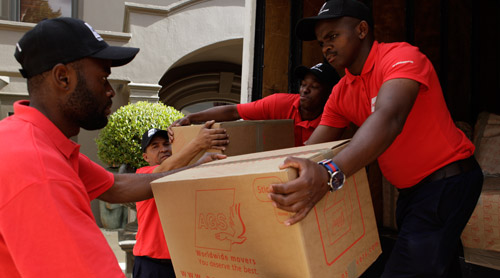
Certification and Affiliation
For over 50 years, the AGS Group has set strict quality procedures for its international network, which are upheld by AGS Egypt. These practices are based on general quality standards as well as those established by the most prestigious certification bodies in the removals industry.
These consistent quality standards ensure that whether you are moving to or from Egypt, the AGS Group is committed to providing you with the best in removal and storage services.


AGS MOVERS EGYPT REWARD FAIM
As a responsible company, AGS Movers Egypt is committed to the fight against corruption and anti-competitive practices. Our subsidiary complies with the following charters and policies:
Customer reviews on Google

★★★★★

AGS were excellent. Great packing day and the admin beforehand was well managed by AGS. They were friendly, efficient and professional.

Liz Huckerby
a month ago