



AGS Movers Toulouse – Carcassonne
 Manager: Patrick Citerne
 +33 5 34 40 73 73
 82, route de Bayonne
31300 Toulouse
Toulouse
31000
Languages Spoken


AGS MOVERS TOLOUSE - CARCASSONNE: EXPERT REMOVALS IN TOULOUSE, ALBI & MORE
Looking for a trusted moving company in France, serving major cities like Toulouse, Albi, Castres, Montauban, and beyond? AGS Movers Toulouse – Carcassonne is your dedicated partner for international removals, providing tailored moving and storage solutions for individuals and businesses nationwide. With us, you can count on a smooth, professional relocation, within France or anywhere in the world.
Domestic & International Removals Solutions
AGS International Movers offers excellence to each of its clients.

International Moves

Domestic Moves

Office Moves

Secure Storage

Vehicle Transfer

Shipping Parcels


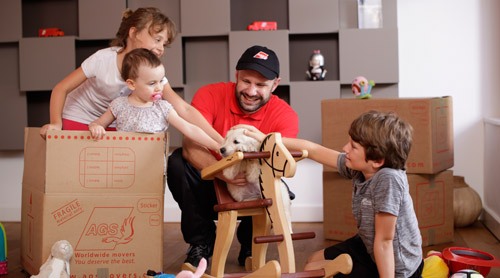
Established in , AGS Movers Toulouse – Carcassonne brings over 50 years of experience to the moving industry.
Whether you’re planning a local move or an international relocation, AGS Toulouse – Carcassonne, a proud branch of the AGS Group, is the professional moving company you can trust. As part of a global network with locations across countries, AGS Movers combines vast experience with efficient moving processes to deliver a seamless relocation experience.
At AGS Movers Toulouse – Carcassonne, we offer unmatched professionalism, world-class quality standards, and expertise in a wide range of services, including international removals, office moves, groupage, vehicle transport, fine art shipping, pet transport, secure storage facilities, and other moving services.
While our most popular destinations include France, the USA, and New Caledonia, we have the capability to move you anywhere in the world!
Moving to cosmopolitan Toulouse, bustling Albi, majestic Castres, or welcoming Montauban?
AGS Movers is here to ensure a stress-free move to any of these popular destinations.
AGS Toulouse - Carcassonne Fast Facts
AGS Movers Toulouse – Carcassonne efficiently carries out around 500 local and international moves annually, assisted by their 3 trucks and robust warehouses measuring 7000m2.
-
Landmarks
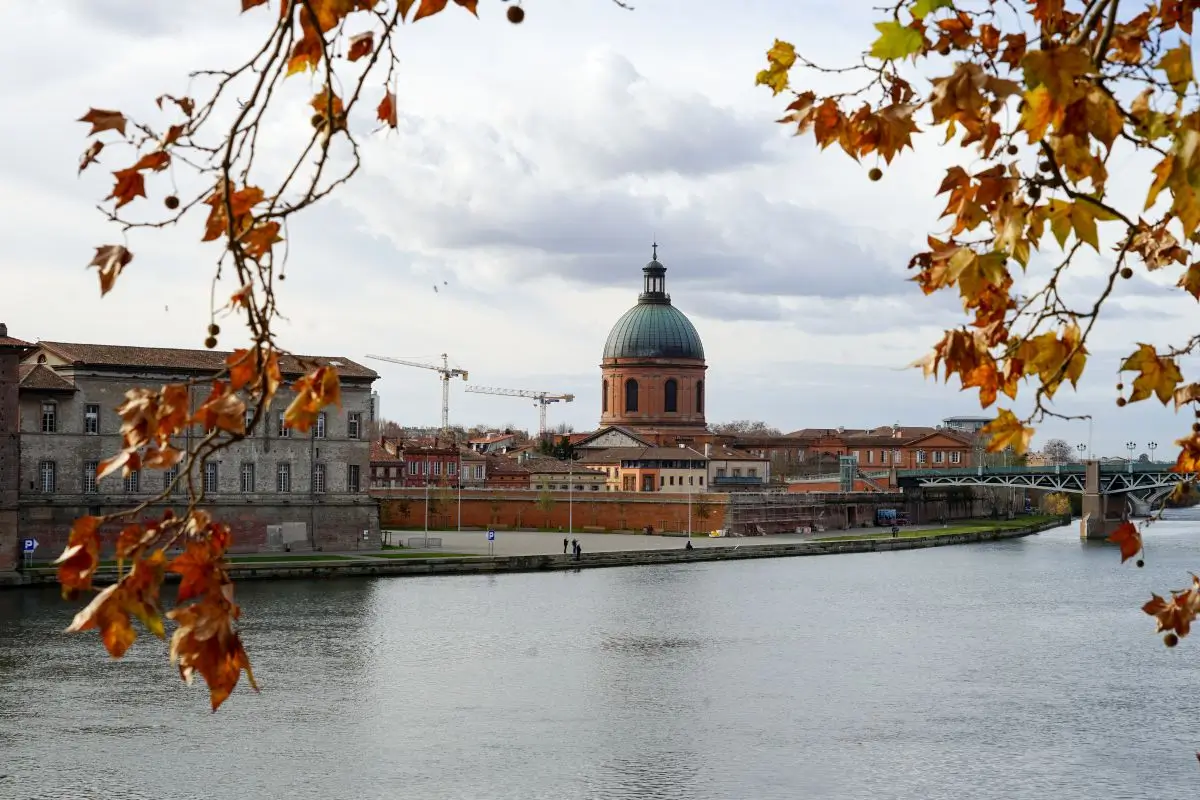
Basilique Saint-Sernin: A grand Romanesque basilica, a UNESCO World Heritage site showcasing exquisite architecture and pilgrimage history.
Place du Capitole: The vibrant heart of the city, surrounded by impressive civic buildings and a hub for local life.
Cité de l’espace: A thrilling space-themed park and museum, offering immersive exhibits about space exploration and astronomy.
Pont Neuf: The oldest bridge in Toulouse, offering picturesque views of the Garonne River and city architecture.
-
Education
Université Toulouse Capitole: A renowned university offering diverse programs in law, economics, and management that is shaping future professionals.
Université Toulouse Jean Jaurès: A comprehensive university known for humanities, arts, and social sciences, fostering critical thinking.
Institut National des Sciences Appliquées de Toulouse (INSA Toulouse): A leading engineering school providing specialised technical education and research opportunities.
TBS Education (Toulouse Business School): A prestigious business school, preparing students for global careers with strong industry connections.
-
Public Transport
Metro: Two comprehensive metro lines provide rapid and efficient underground transit across the city, very convenient for commuters.
Buses: An extensive network of bus routes connects all districts, offering flexible and accessible transport throughout Toulouse.
Trams: Two tram lines serve key areas, providing an eco-friendly and reliable option for urban travel and connectivity.
VélôToulouse (Bike-sharing): A popular bike-sharing system that promotes active transport with numerous stations across the city.
-
Climate
Summer: Hot and relatively dry (20-30°C / 68-86°F) with occasional thunderstorms, offering pleasant conditions for activities.
Winter: Mild and damp (5-12°C / 41-54°F) with some frost, generally cool but rarely severe.
Rainfall: Toulouse experiences moderate rainfall throughout the year, with slightly wetter springs and autumns.
-
Landmarks
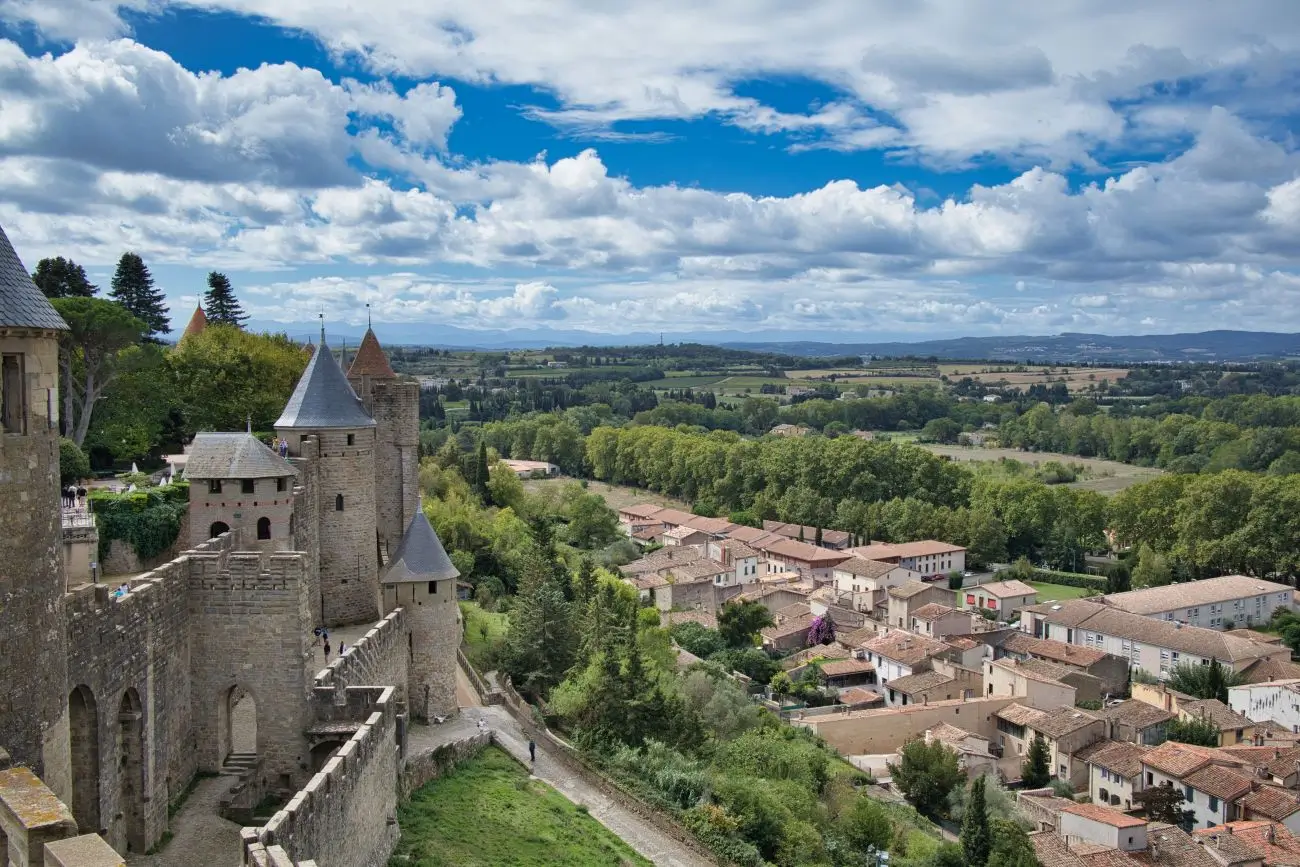
Cité de Carcassonne: A magnificent medieval fortified city, a UNESCO World Heritage site with stunning ramparts and castles.
Château Comtal: The count’s castle within the Cité, offering historical insights and impressive views from its battlements.
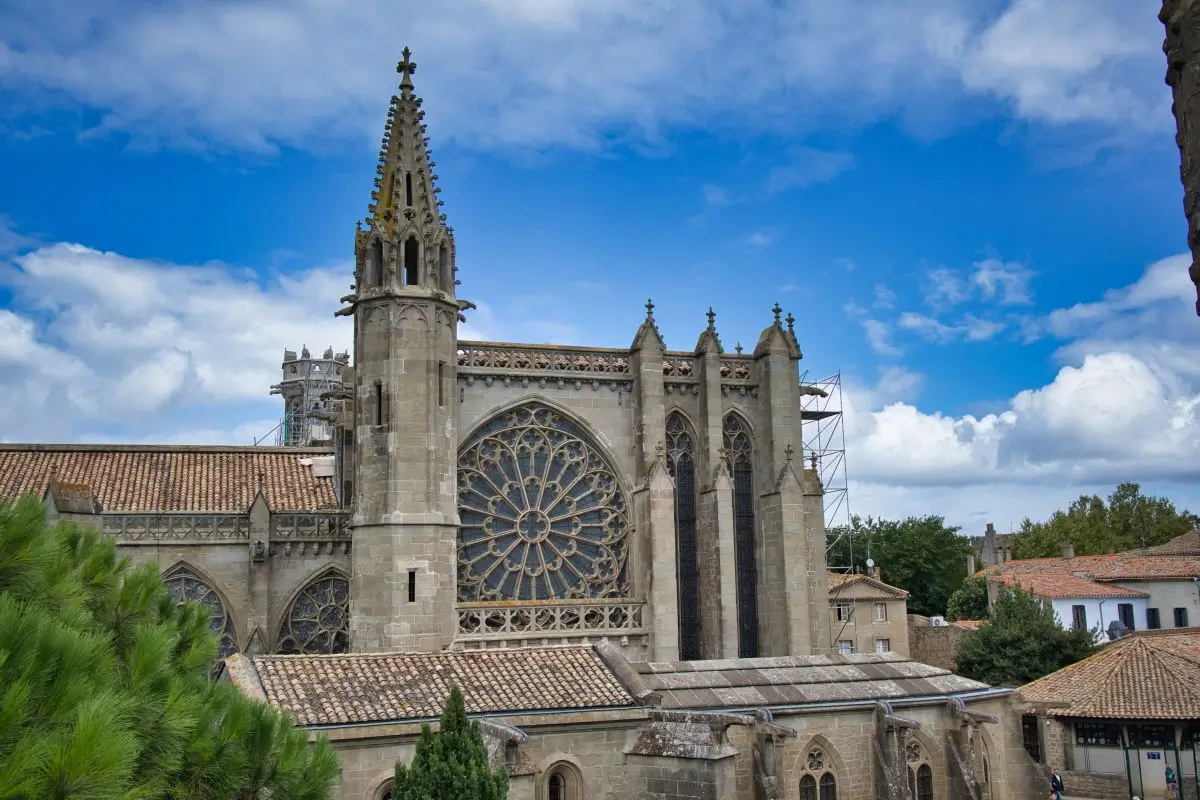
Basilique Saint-Nazaire-et-Saint-Celse: A beautiful basilica with Romanesque and Gothic elements, located within the medieval city walls.
Canal du Midi: A picturesque canal, a UNESCO World Heritage site, offering scenic boat trips and waterside walks.
-
Education
Campus de Carcassonne (Université de Perpignan Via Domitia): A university campus offering diverse academic programs in law, literature, and history.
Institut Universitaire de Technologie (IUT) de Carcassonne: Provides technical and vocational training, preparing students for various professional fields.
Lycée Paul Sabatier: A well-regarded secondary school, known for its academic standards and preparing students for higher education.
Centre de Formation Professionnelle Agricole (CFPPA): An agricultural vocational training centre that contributes to regional agricultural expertise.
-
Public Transport
Bus: Local bus services provide comprehensive coverage within Carcassonne, connecting the city centre with the Cité.
Taxis: Readily available for convenient on-demand travel throughout Carcassonne and its surrounding areas.
Train Station: Connects Carcassonne to major cities, providing an important link for regional and national travel.
Cycling: Dedicated routes along the Canal du Midi and within the city encourage cycling for leisure and commuting.
-
Climate
Summer: Hot and relatively dry (20-30°C / 68-86°F) with long sunny periods, very pleasant for tourism.
Winter: Mild (5-12°C / 41-54°F) with some cold snaps, generally temperate but can be chilly.
Rainfall: Carcassonne receives moderate rainfall, with slightly wetter springs and autumns.
-
Landmarks
Cathédrale Sainte-Cécile: An imposing brick cathedral, a UNESCO World Heritage site that is famous for its unique architecture and frescoes.
Palais de la Berbie: A magnificent fortified bishop’s palace, home to the Toulouse-Lautrec Museum and stunning gardens.
Pont Vieux: A medieval bridge offering scenic views of the Tarn River and the city’s historic brick buildings.
Maison du Vieil Alby: A beautifully preserved half-timbered house, showcasing traditional Albigensian architecture and history.
-
Education
Centre Universitaire Champollion: A branch of the University of Toulouse that offers various undergraduate and master’s programs.
Institut National Universitaire Champollion: A prominent institute providing higher education in multiple disciplines, fostering regional academic growth.
Lycée Lapérouse: A well-regarded secondary school, preparing students for higher education and diverse professional paths.
École des Mines d’Albi-Carmaux: A prestigious engineering school specialising in industrial engineering and materials science, contributing to regional innovation.
-
Public Transport
Bus: Local bus services provide comprehensive coverage within Albi, connecting different neighbourhoods and key attractions efficiently.
Taxis: Readily available for convenient point-to-point travel, offering flexible transportation throughout the city and surrounding areas.
Train Station: Connects Albi to major cities, providing an important link for regional and national travel.
Bike Paths: A growing network of dedicated bike paths encourages cycling as a healthy and eco-friendly transport option.
-
Climate
Summer: Warm and dry (20-30°C / 68-86°F) with long sunny periods, ideal for outdoor activities and exploration.
Winter: Mild (5-12°C / 41-54°F) with occasional cold snaps, generally comfortable with some rainy days.
Rainfall: Albi receives moderate rainfall, distributed throughout the year, with a drier summer season.
-
Landmarks
Musée Goya: A significant museum housing one of France’s most important collections of Spanish art, including works by renowned painter, Goya.
Jardins de l’Évêché: Formal French gardens designed by André Le Nôtre that offer beautiful landscapes and serene walking paths.
Maisons sur l’Agout: Picturesque houses built directly on the Agout River, resembling Florence and providing iconic views.
Église Saint-Benoît: A historic church with notable architecture and stained glass, a central spiritual landmark in Castres.
-
Education
Université Jean-François Champollion – Site de Castres: A university campus offering programs in technology, health, and social sciences.Institut Universitaire de Technologie (IUT) de Castres: A key institute providing vocational and technological training, preparing students for various industries.
Lycée La Borde Basse: A respected secondary school known for its academic excellence and comprehensive educational programs.
École d’Ingénieurs ISIS (Systèmes d’Information pour la Santé): A specialised engineering school focusing on information systems for health, offering a unique program.
-
Public Transport
Buses: The local bus network serves the city, providing accessible transportation for residents to various destinations.
Taxis: Available for convenient on-demand travel within Castres and surrounding areas, ensuring flexible mobility.
Train Station: Connects Castres to regional and national rail networks, facilitating travel beyond the city limits.
Cycling Paths: Dedicated routes promoting bicycle use for recreation and commuting, offering an alternative and sustainable transport mode.
-
Climate
Summer: Warm and pleasant (20-28°C / 68-82°F) with sunny days, making it enjoyable for outdoor activities.
Winter: Cool and damp (4-10°C / 39-50°F) with occasional rainfall, generally mild but can be chilly.
Rainfall: Castres experiences moderate rainfall, with more precipitation in spring and autumn.
-
Landmarks
Place Nationale: A beautiful, arcaded square that is a central point of the city, perfect for leisurely strolls and cafes.
Musée Ingres Bourdelle: A significant museum housed in the former bishop’s palace, showcasing works by painter, Ingres, and sculptor, Bourdelle.
Cathédrale Notre-Dame-de-l’Assomption: An impressive Baroque cathedral, a prominent landmark with striking architecture and history.
Pont Vieux: A fortified brick bridge offering panoramic views of the Tarn River and the city’s charming riverside houses.
-
Education
Institut Universitaire de Technologie (IUT) de Montauban: A key institution providing professional and technological training for various industries.
Campus de Montauban (Université de Toulouse): A satellite campus offering several university programs.
Lycée Michelet: A well-established secondary school, known for its strong academic curriculum and student success rates.
École Supérieure d’Art et de Design des Pyrénées (ESAD Pyrénées): An art and design school that fosters creativity and innovation in visual arts.
-
Public Transport
Bus: An efficient bus network provides comprehensive coverage across Montauban, connecting all neighbourhoods and major points of interest.
Taxis: Readily available for convenient and direct transportation within the city, offering flexible travel options.
Train Station: A key railway hub connecting Montauban to Toulouse and other regional cities, facilitating broader travel.
Cycling: Dedicated cycling routes and bike-friendly infrastructure encourage residents to cycle for commuting and leisure.
-
Climate
Summer: Hot and often dry (22-32°C / 72-90°F) with abundant sunshine, very warm and pleasant for summer activities.
Winter: Mild (5-12°C / 41-54°F) with occasional fog or frost, generally temperate with some cooler periods.
Rainfall: Montauban has moderate rainfall, with a generally drier summer season.
-
Landmarks
Cathédrale Saint-Just et Saint-Pasteur: An unfinished Gothic cathedral with impressive choir and treasury, a stunning architectural marvel.
Palais des Archevêques: A grand archbishop’s palace, encompassing a museum and a garden, reflecting rich historical significance.
Horreum Romain: An ancient underground Roman grain storage facility, offering a unique glimpse into Narbonne’s Roman past.
Les Halles de Narbonne: A bustling covered market, with fresh local produce, seafood, and regional delicacies for sale.
-
Education
Université de Perpignan Via Domitia – Site de Narbonne: A university campus offering programs in law, economics, and management sciences.
Institut Universitaire de Technologie (IUT) de Narbonne: An institute providing vocational and technological education, preparing students for professional careers.
Lycée Général et Technologique Louise Michel: A respected secondary school with a range of academic and technical programs.
École Supérieure d’Art de Perpignan (ESAP) – Site de Narbonne: An art school fostering artistic talent and creativity in the region.
-
Public Transport
Buses: A local bus network connects different parts of Narbonne, providing accessible public transport.
Taxis: Available for convenient point-to-point travel within the city and surrounding areas, offering flexible service.
Train Station: A major railway hub connecting Narbonne to large cities, crucial for regional and national travel.
Cycling: Well-developed cycling paths along the canal and within the city that promote active and scenic transportation.
-
Climate
Summer: Hot and very dry (22-30°C / 72-86°F) with abundant sunshine, influenced by Mediterranean climate.
Winter: Mild (6-13°C / 43-55°F) with some wind, generally pleasant with less severe cold.
Rainfall: Narbonne experiences a Mediterranean climate with dry summers and more rainfall in autumn and spring.
-
Landmarks
Cathédrale Saint-Antonin de Pamiers: A historic cathedral with a unique brick bell tower, dominating the city skyline and religious life.
Les Trois Ponts: Three picturesque bridges over the Ariège River, that showcase charming views and connect different parts of the city.
Musée de Pamiers: A local museum showcasing the history and heritage of Pamiers and the Ariège region, featuring various collections.
Tour des Cordeliers: Remnants of a former convent, a significant historical structure reflecting the city’s medieval past.
-
Education
Lycée Pyrène: A prominent secondary school offering a wide range of academic and vocational programs for students.
Institut Universitaire de Technologie (IUT) de l’Ariège: Provides technical and professional training, contributing to local workforce development.
École Nationale Supérieure des Officiers de Sapeurs-Pompiers (ENSOSP): A national school for firefighter officers, a key training centre.
Campus Universitaire de l’Ariège: A local university presence providing higher education opportunities in various fields.
-
Public Transport
Bus: Local bus services connect various neighbourhoods within Pamiers, a convenient and accessible transportation option.
Taxis: Readily available for short trips within Pamiers and transfers to nearby towns or attractions.
Train Station: Connects Pamiers to Toulouse and other regional centres, an important link for commuters.
Cycling: Bike-friendly roads and paths promote cycling for leisure and daily commutes around the town.
-
Climate
Summer: Warm (20-28°C / 68-82°F) with sunny periods, pleasant for outdoor activities, but can have heatwaves.
Winter: Mild (3-10°C / 37-50°F) with some cold and wet days, typical for the foothills of the Pyrenees.
Rainfall: Pamiers experiences moderate to high rainfall, particularly in spring and autumn, influenced by the Pyrenees.
-
Landmarks
Pont Valentré: A UNESCO-listed medieval fortified bridge, it is a key landmark and symbol of the city.
Saint-Étienne Cathedral: The cathedral is known for its two large domes and intricate carvings, showcasing a mix of Romanesque and Gothic styles.
Secret Gardens of Cahors: The city features a network of themed gardens hidden throughout the town, celebrating the local flora and history.
Mont Saint-Cyr: A viewpoint offering panoramic views of Cahors and the surrounding Lot river valley, perfect for hikers.
-
Education
Cahors Campus of the University of Toulouse – Jean Jaurès: This campus provides higher education programs in areas like tourism, hospitality, and food studies.
Lycée Polyvalent Clément Marot: A public high school offering general and vocational courses to students in the Cahors area.
Lycée Professionnel Louis Vicat: A professional high school specializing in vocational training for various trades.
Collège Gambetta: A well-established public middle school serving students in the city of Cahors.
-
Public Transportation
liO buses: The regional bus network connects Cahors to other towns, including Saint-Cirq-Lapopie and Montcuq.
SNCF Train Station: The train station provides connections to major cities like Toulouse and Paris, with high-speed lines.
Local City Buses: The city has a public bus system to facilitate easy travel within Cahors and its suburbs.
Car-sharing services: Local car sharing and taxi services are also available for convenient travel around the city.
-
Climate
Hot, dry summers: Summers are typically warm and sunny, with low rainfall and average temperatures often reaching 26°C (79°F).
Mild, humid winters: Winters are cold and damp, with a significant amount of cloud cover and average temperatures around 5°C (41°F).
Moderate rainfall: Cahors experiences rainfall throughout the year, with a moderate amount during the spring and autumn months.
Occasional thunderstorms: The region sometimes has powerful thunderstorms during the summer months due to atmospheric instability.
Frequently Asked Questions
Our moving services cater to several major cities across France, including Toulouse, Carcassonne, Albi, Castres, Montauban, and Narbonne. Below are some frequently asked questions that can help you plan your relocation efficiently.
How far in advance should I book my move to Toulouse - Carcassonne?
Do you offer packing and unpacking moving services in Toulouse - Carcassonne?
Do you provide storage solutions in Toulouse - Carcassonne?
How can I get my house ready for the moving company?
Are there any items that cannot be moved?
How do you ensure the safety of my belongings during the move?
Can you assist with the setup of my new home in Toulouse - Carcassonne?
How do you handle parking and access issues?
What happens if my belongings are damaged during the move?
At AGS Movers, we prioritise customer satisfaction and ensure that every aspect of your move, from departure to arrival, meets the highest standards of quality and professionalism.
5 steps to move abroad

First Contact

Home Inspection & Quotation
Packing & Goods removal

Transport
Unpacking & House arrangement
AGS Movers Toulouse – Carcassonne at a glance
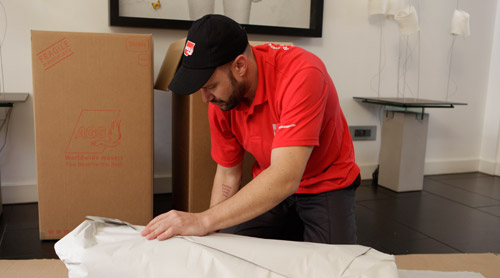
CERTIFICATION AND AFFILIATION
For over 50 years, the AGS Group has set strict quality procedures for its international network, which are upheld by AGS Toulouse – Carcassonne. These practices are based on general quality standards as well as those established by the most prestigious certification bodies in the removals industry.
These consistent quality standards ensure that whether you are moving to or from France, the AGS Group is committed to providing you with the best in removal and storage services.

Latest News in Toulouse – Carcassonne
Currently there are no related blog posts available for AGS Movers Toulouse. But check out all our latest news by clicking on the link below.
See All News